Comparisons — Side-by-Side Tea Evaluations
Side-by-side tea evaluations using identical parameters — teas, methods, vendors, and teaware compared with structured data and clear verdicts.
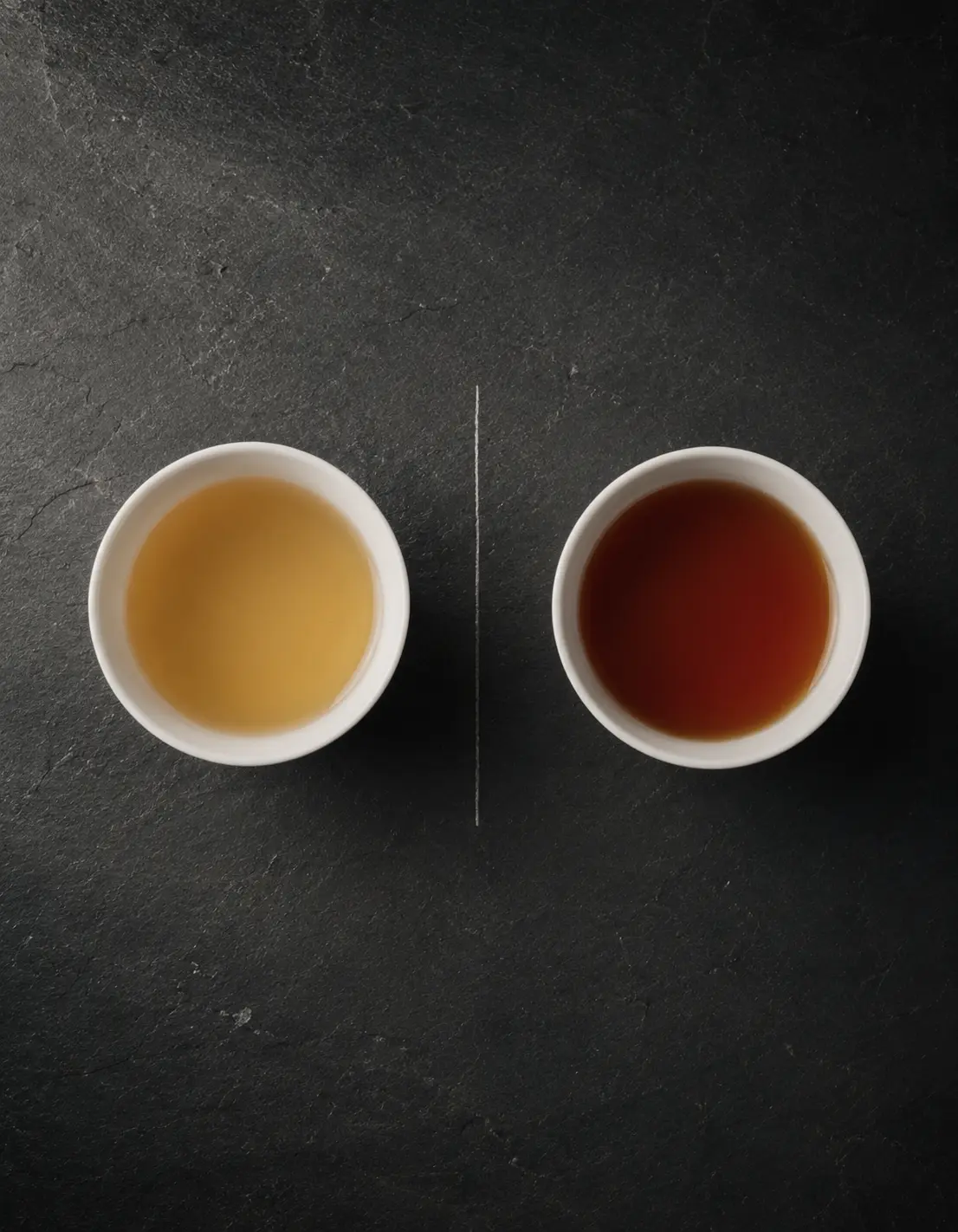
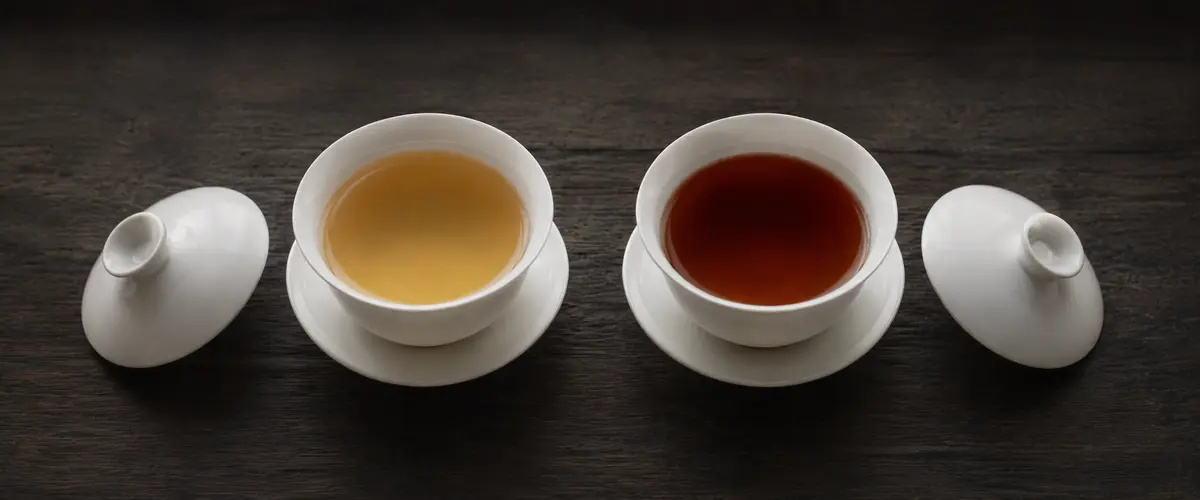
Comparison guides on Steep Atlas put teas, brewing methods, vendors, and teaware side by side with structured data and clear verdicts. Each comparison uses identical parameters — same water, same vessel, same session — so differences reflect the tea, not the preparation.
Comparison tables include specific metrics: price per gram, steep count, flavor profile differences, mouthfeel, huigan intensity, and value assessment. Verdicts state which option wins for which purpose rather than declaring an overall winner.
Categories include tea-versus-tea (same type from different origins, same origin from different years), method-versus-method (gongfu versus western, gaiwan versus teapot), vendor-versus-vendor (same tea sourced from different sellers), and teaware evaluations. The wine comparison framework applies naturally here — terroir differences between Thai and Yunnan pu-erh read like Margaux versus Pauillac, different expressions of the same fundamental material.
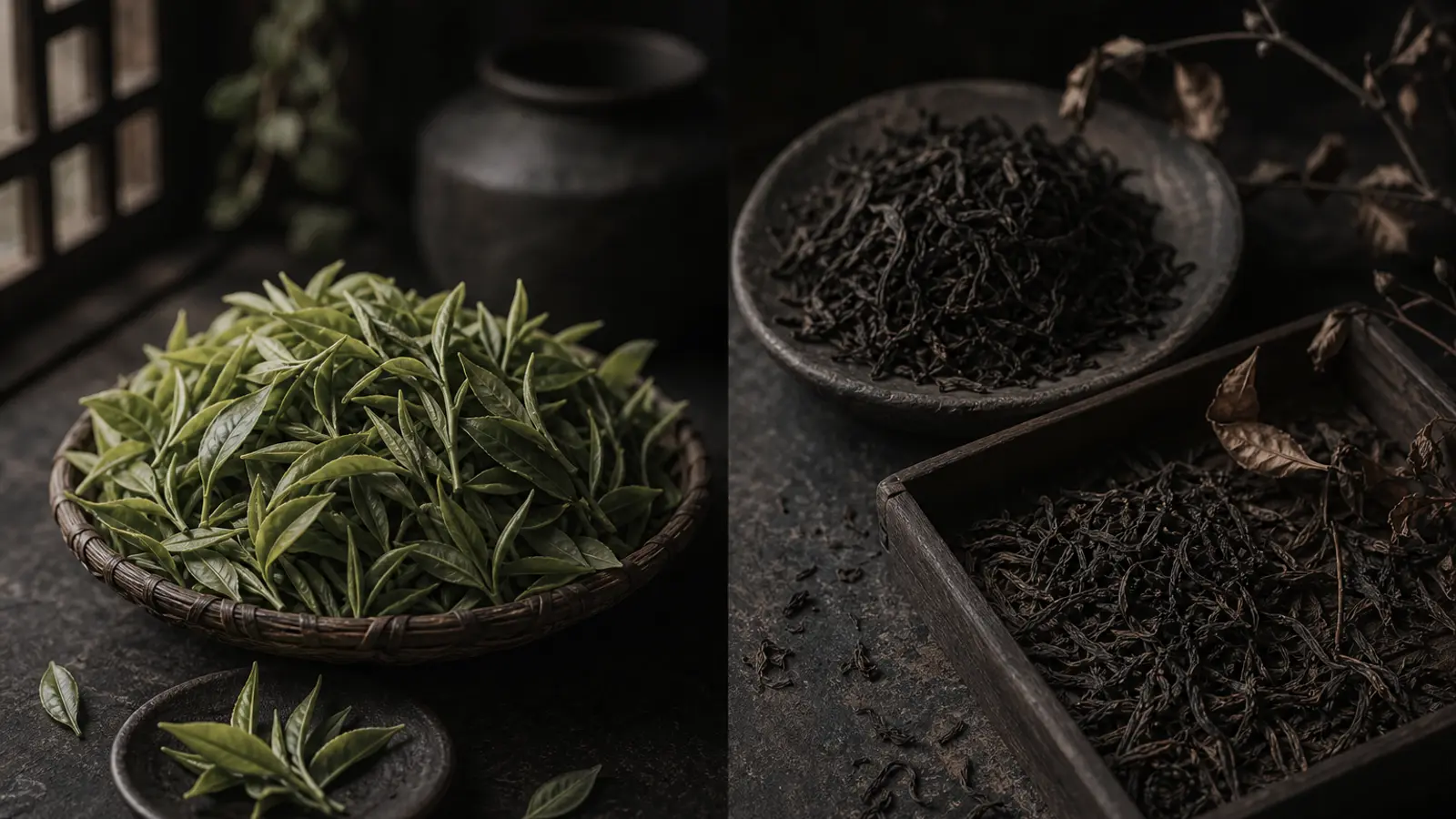
Spring Tea vs Autumn Tea: What the Season Puts in the Cup
Spring tea (春茶) and autumn tea (秋茶) produce fundamentally different cups. Compare amino acids, aromatics, price, and which season suits each tea type.
Dancong vs Yan Cha: Fragrance Meets Mineral
Dancong and yan cha are China's two great dark oolong traditions. One is defined by aromatic specificity, the other by mineral terroir. Here's how they ...
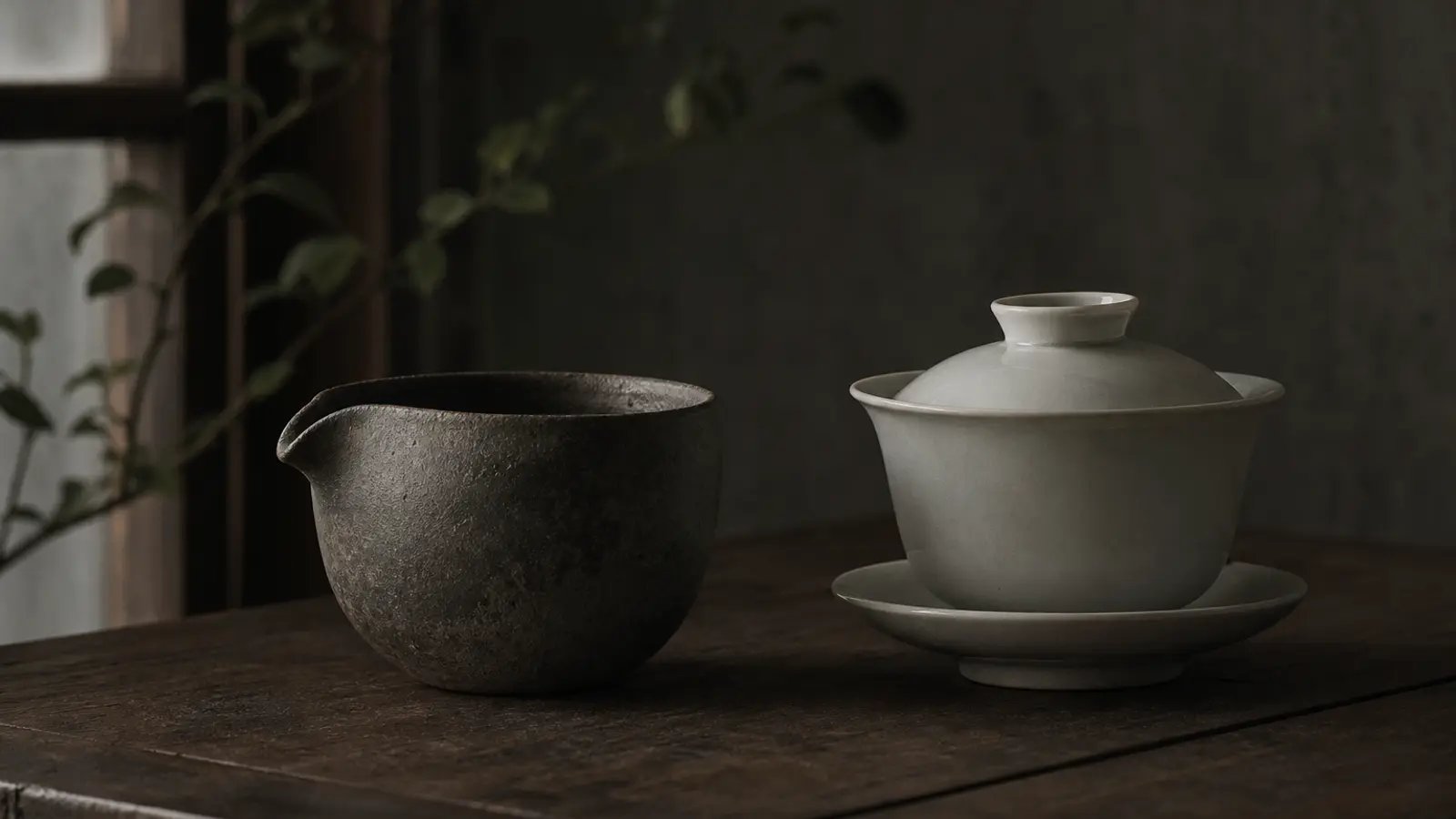
Houhin vs Gaiwan: Two Lidless Brewers Compared
Houhin vs gaiwan — a direct comparison of these small brewing vessels covering materials, temperature range, best teas, and which to buy first.
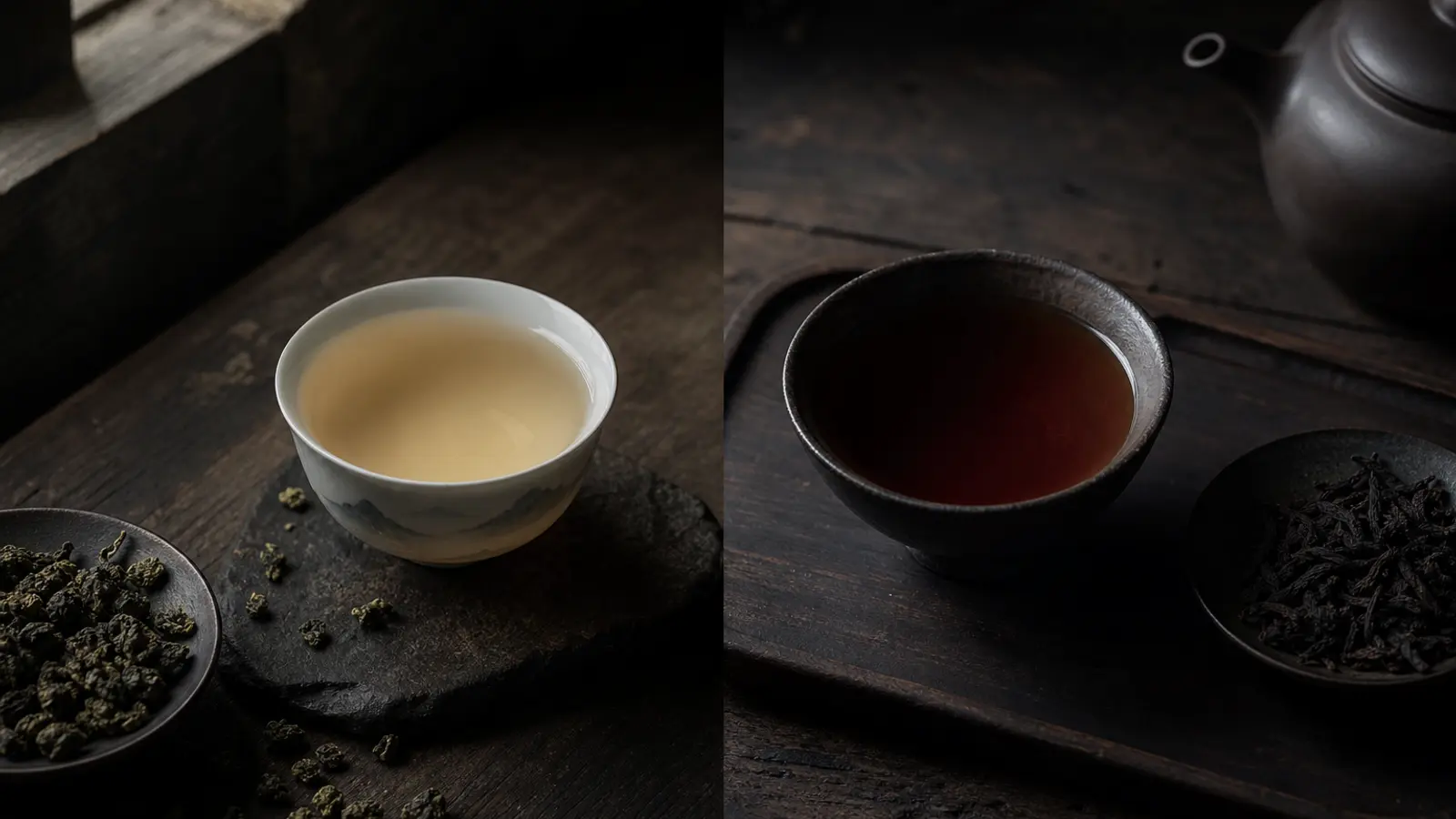
Taiwanese vs Chinese Oolong: Two Traditions Compared
Taiwanese high mountain oolong vs Chinese Wuyi yan cha and Tieguanyin — processing, terroir, flavor, and price compared across two divergent traditions.
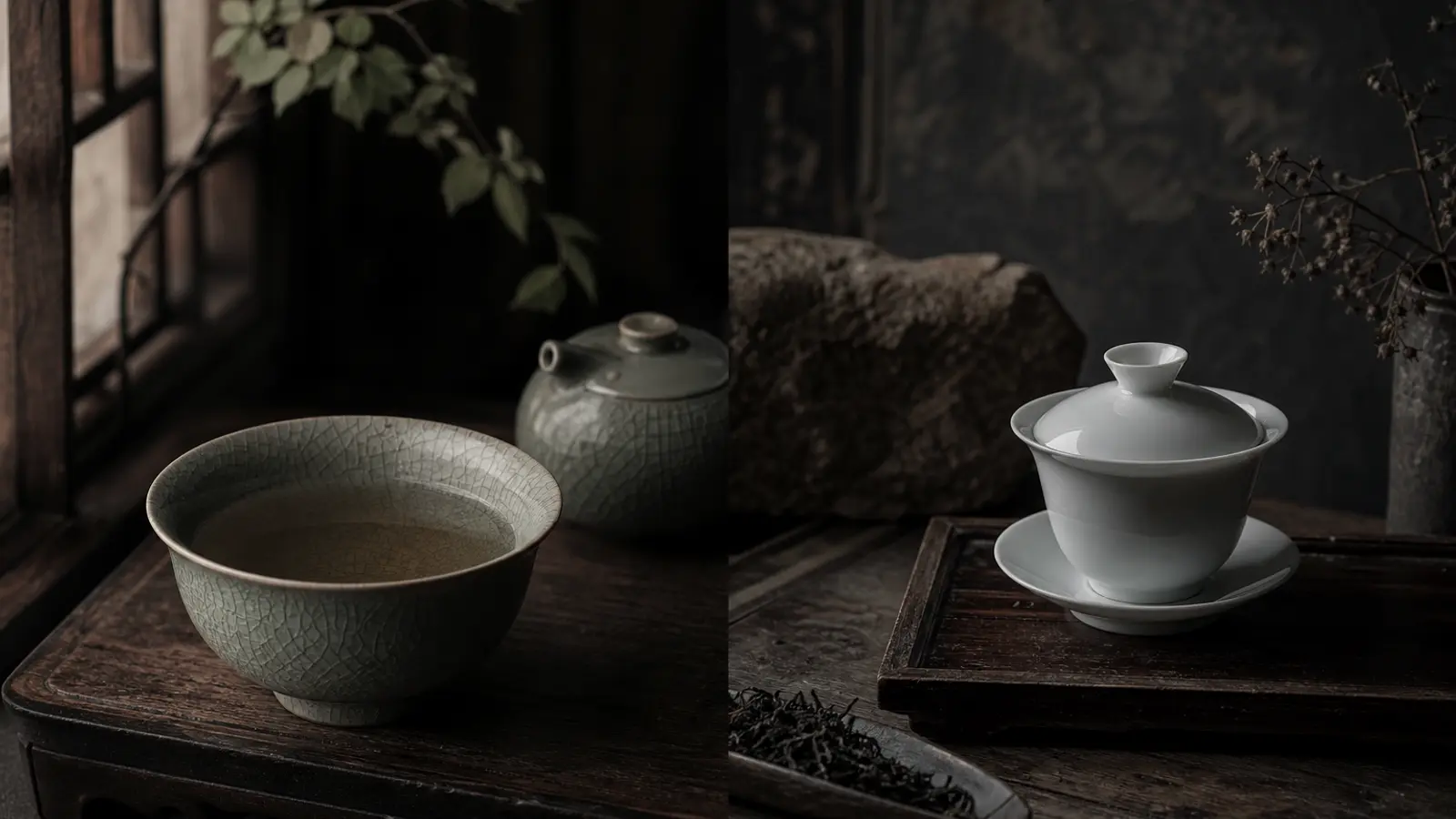
Korean Tea vs Chinese Tea: The Differences That Matter
A detailed comparison of Korean tea vs Chinese tea covering processing, terroir, price, culture, and flavor — what makes each tradition distinctive.
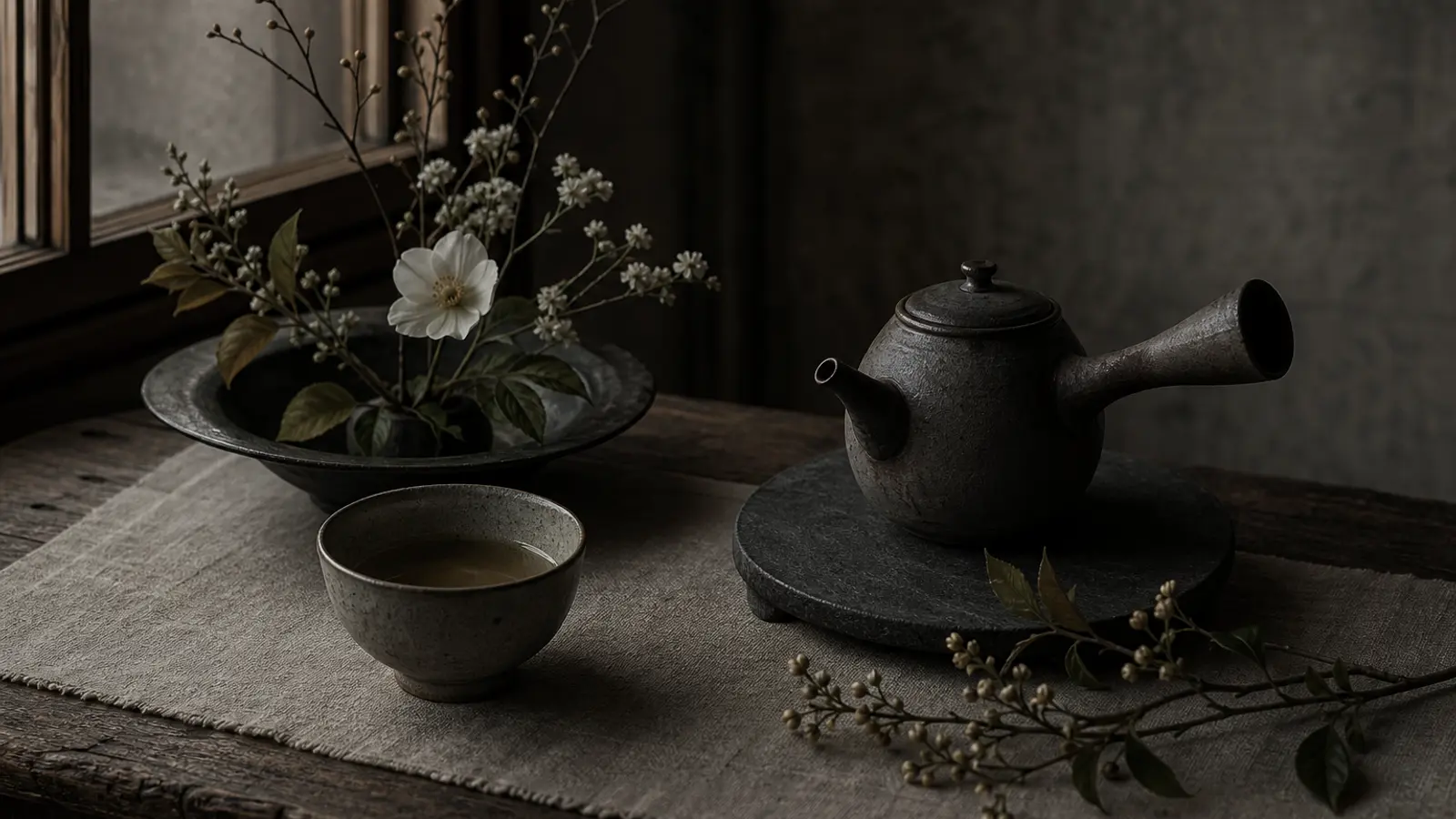
Korean Tea Ceremony vs Chinese Gongfu Cha: Two Paths to the Same Quiet
Korean darye and Chinese gongfu cha take opposite approaches to tea — one values stillness, one values precision. Both lead to the same quiet hour.
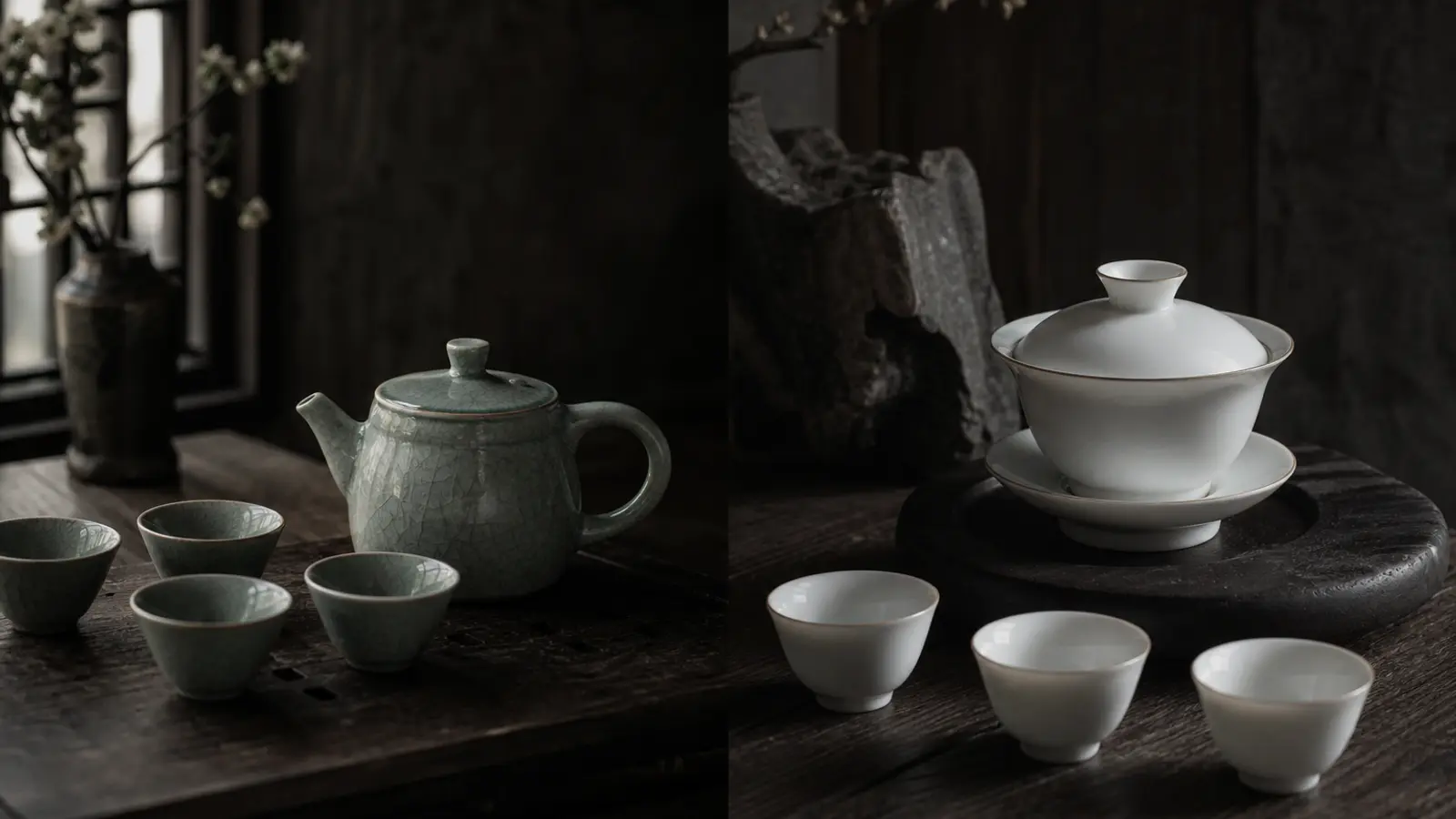
Korean vs Chinese Teaware: Celadon, Porcelain, and Clay Compared
Korean celadon and buncheong vs Chinese porcelain and Yixing clay — a five-dimension comparison of East Asia's two great teaware traditions.
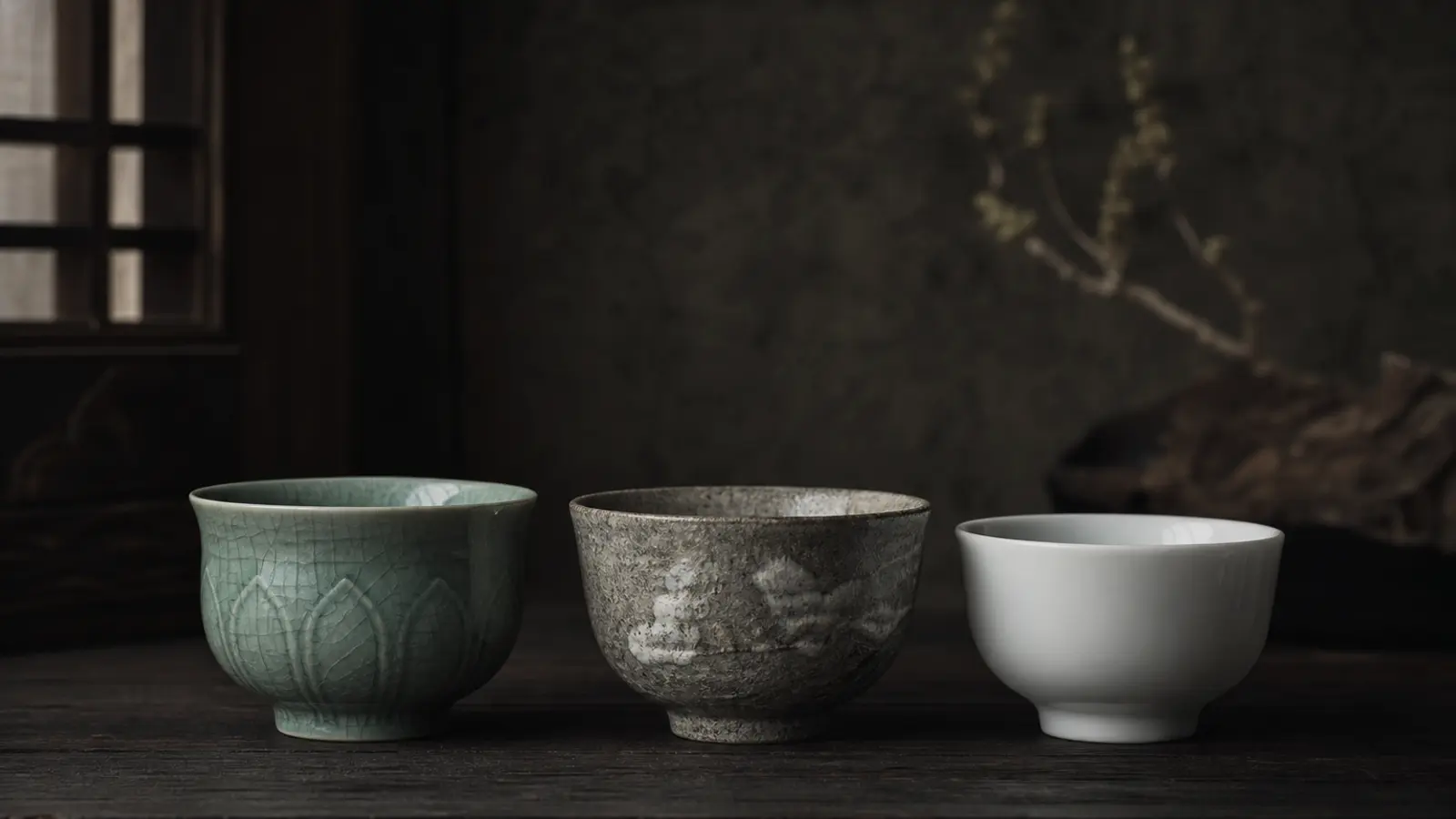
Celadon vs Buncheong vs Baekja: Korea's Three Ceramic Traditions Compared
Korea's three great ceramic traditions compared: Goryeo celadon, buncheong stoneware, and Joseon white porcelain — history, aesthetics, and tea pairings.
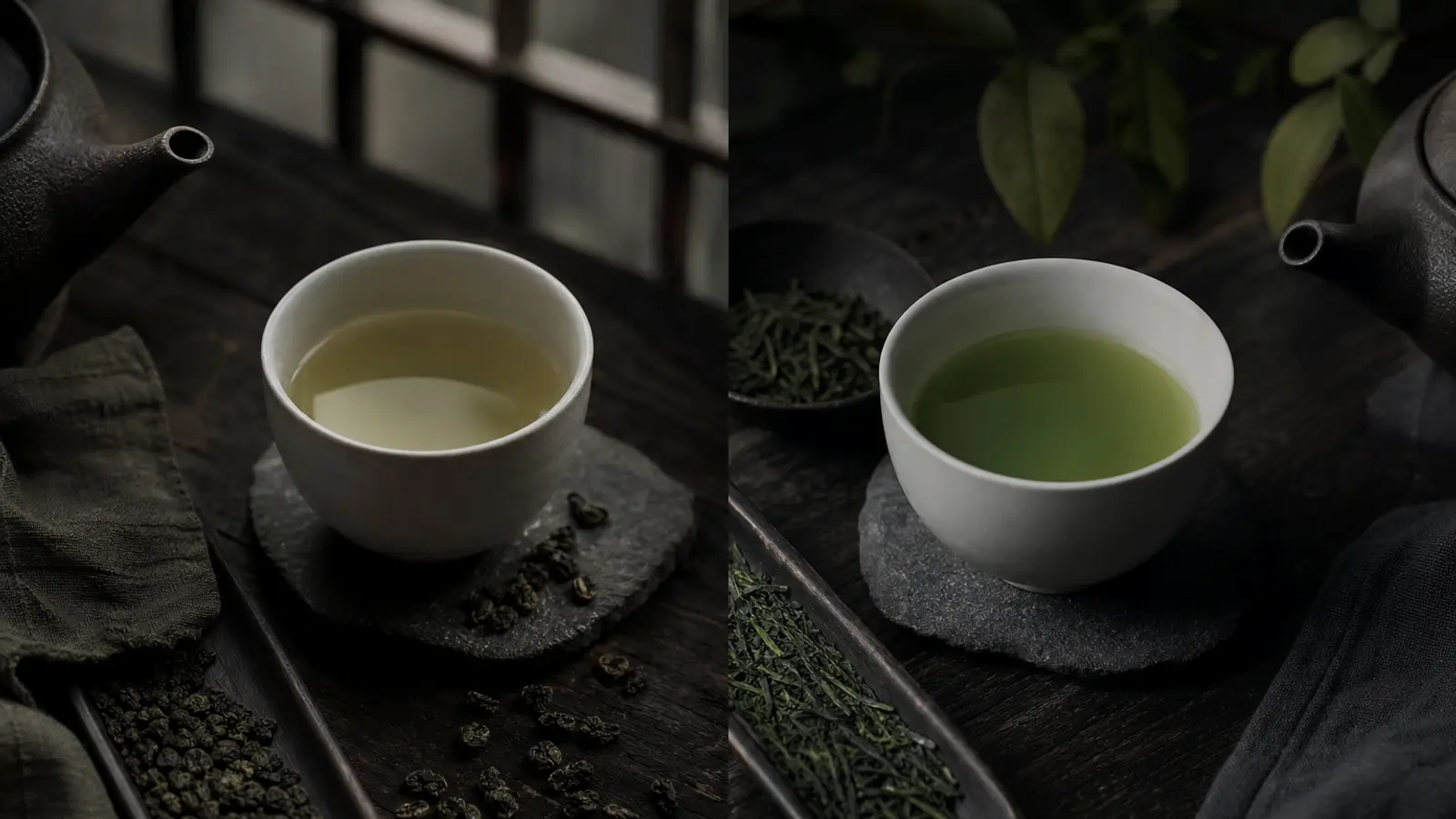
Korean Tea vs Japanese Tea: Pan-Fire Meets Steam
Korean and Japanese green teas start from the same plant but taste completely different. Here's why pan-firing vs steaming changes everything in the cup.
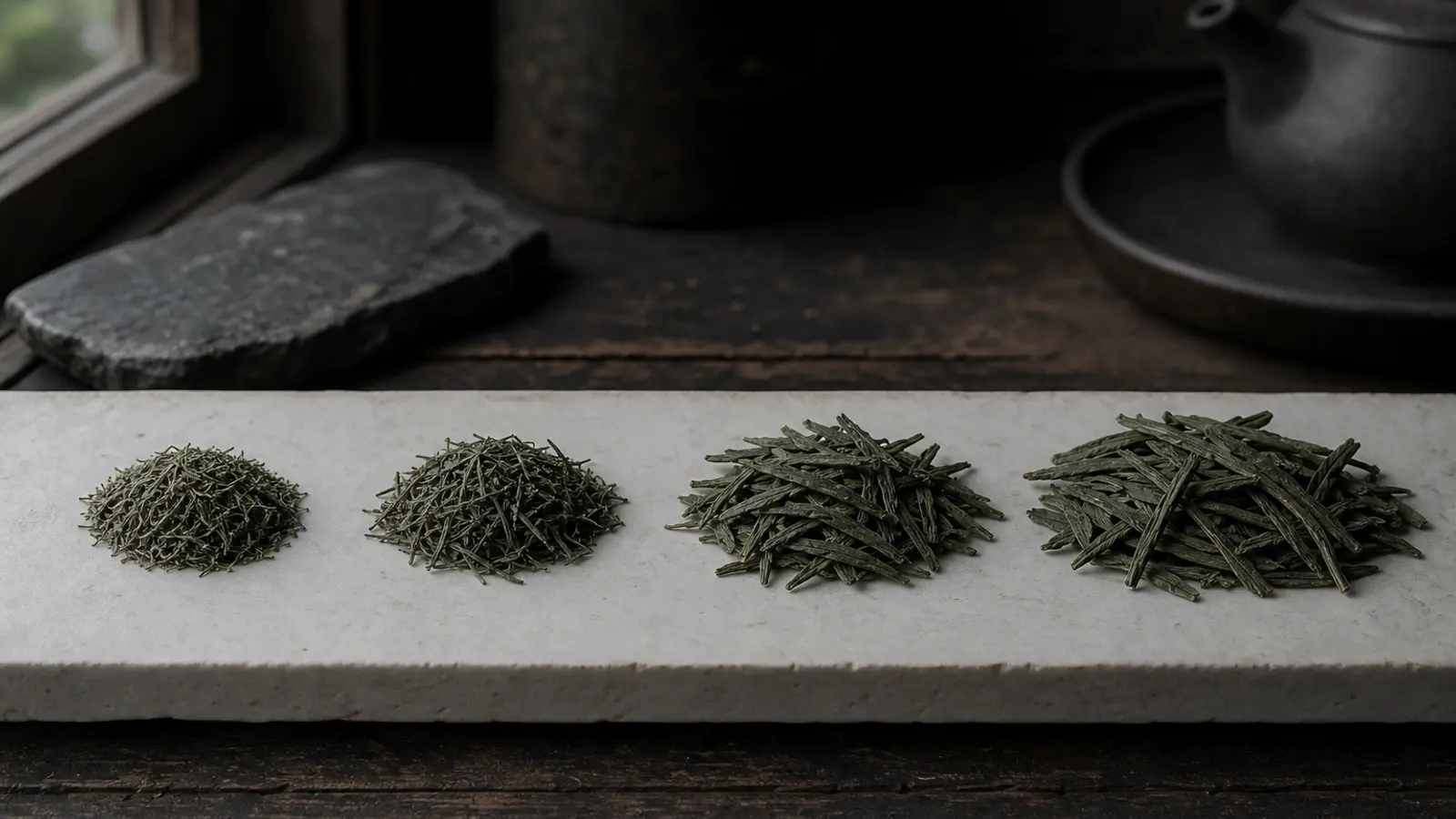
Ujeon vs Sejak: Understanding Korean Tea Grades
Ujeon vs sejak—Korea's two top green tea grades compared by harvest timing, flavor, price, and value. Includes all four grades in one table.
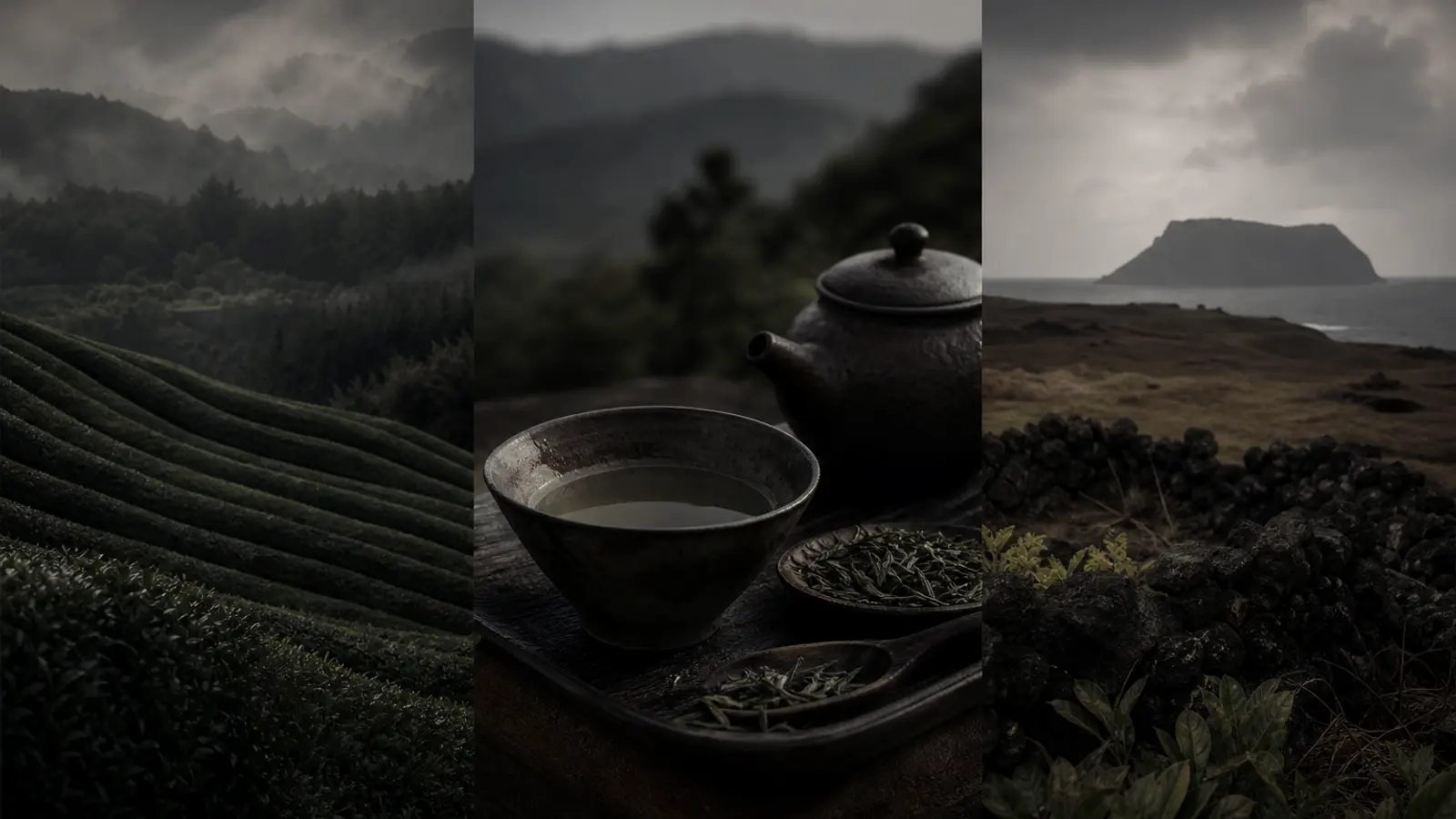
Boseong vs Hadong vs Jeju: Korea's Three Tea Terroirs Compared
Korea's three tea regions compared across terroir, flavor, and production. Boseong, Hadong, and Jeju each produce green tea the others cannot.

Menghai vs Lincang: Two Sides of Yunnan Pu-erh
Menghai and Lincang are Yunnan's two great pu-erh regions. Compare flavor profiles, sub-regions, aging track records, prices, and which suits you.
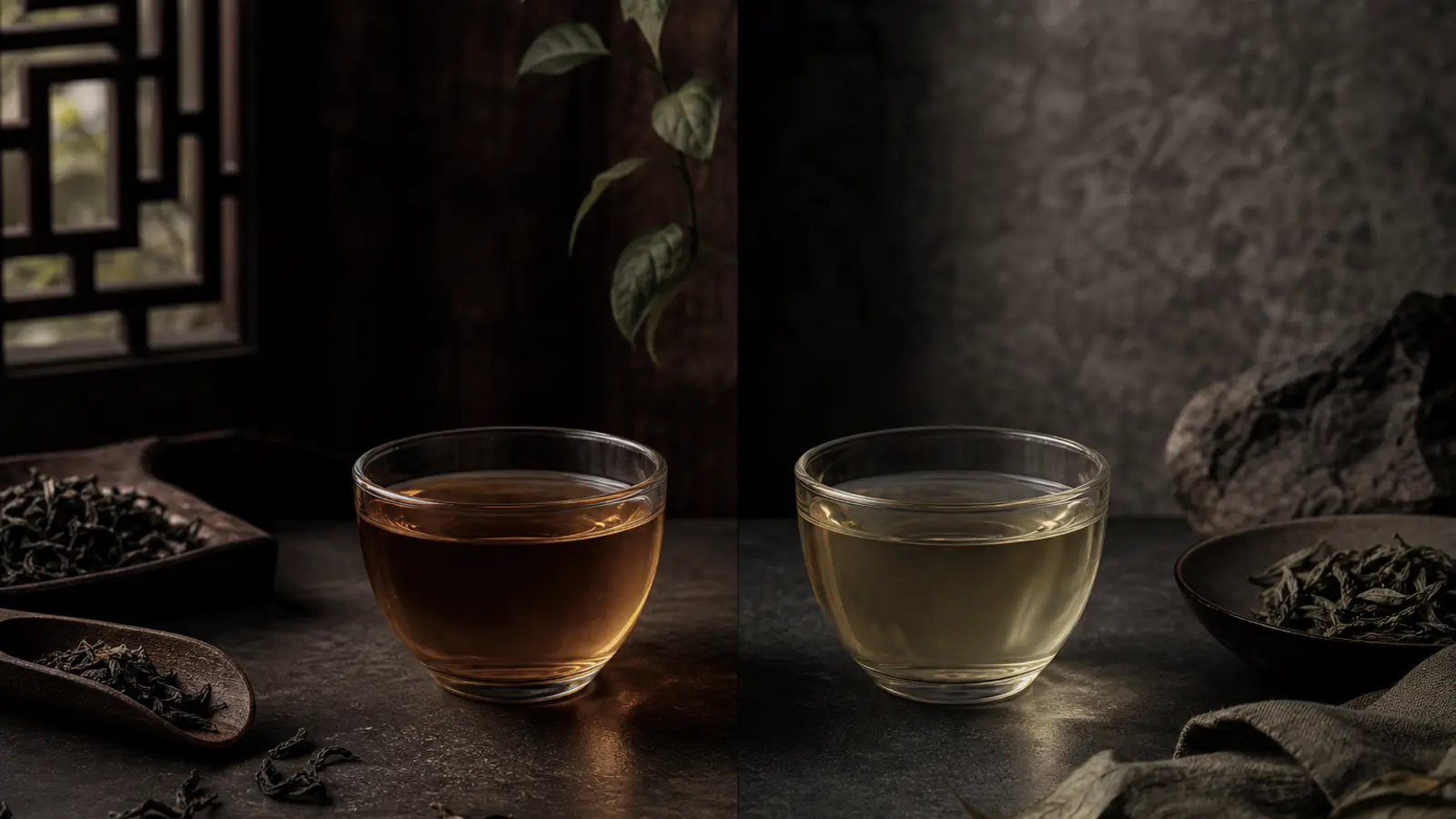
Yiwu vs Bingdao: Elegance vs Sweetness in Premium Pu-erh
Yiwu is honeyed elegance. Bingdao is pure rock-sugar sweetness. Side-by-side terroir, flavor, mouthfeel, aging potential, and price comparison.
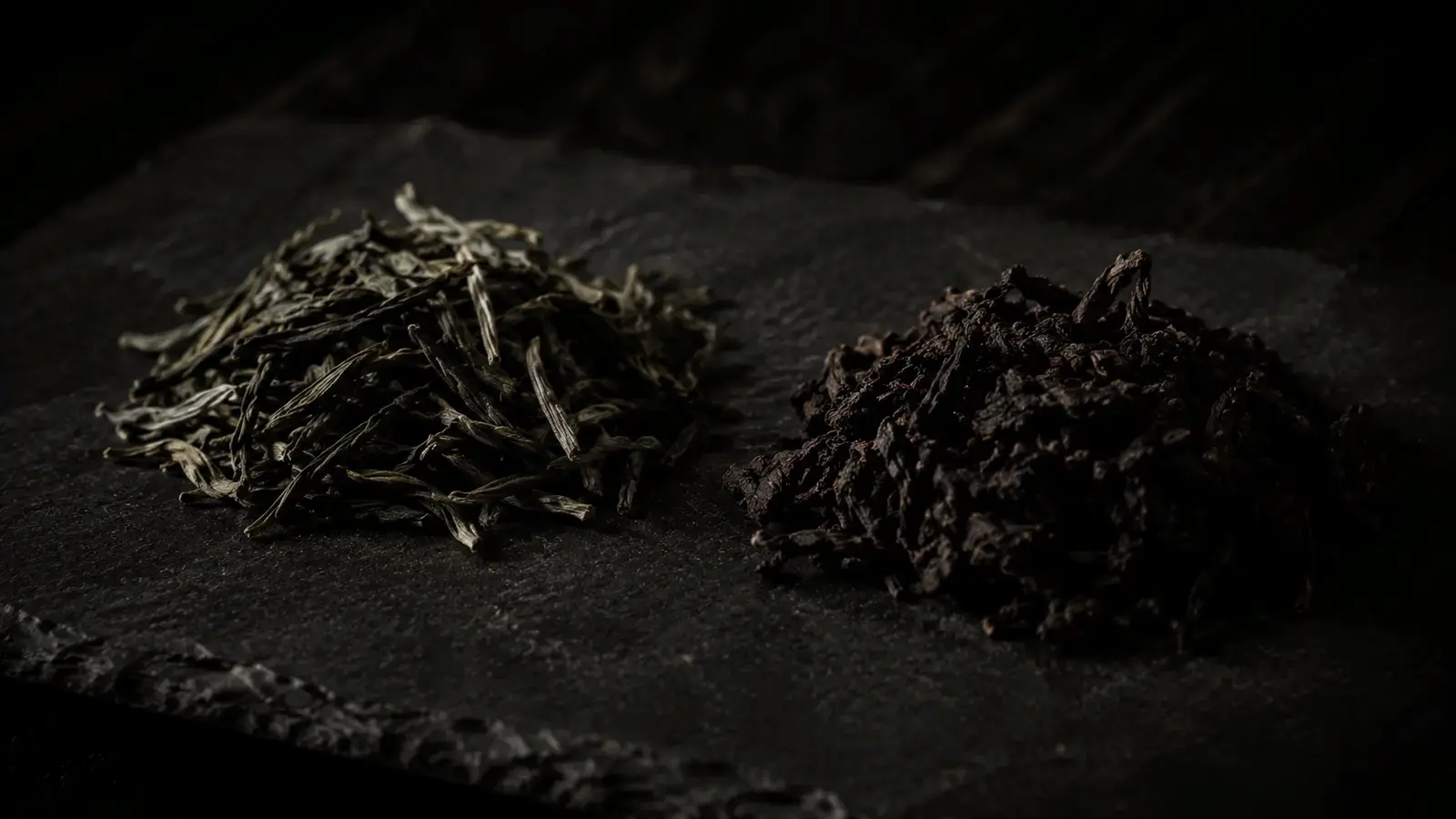
Sheng vs Shou Pu-erh: The Real Differences
Raw vs ripe pu-erh compared. Processing differences, taste profiles, caffeine, aging potential, and which to buy first — with side-by-side comparison ta...
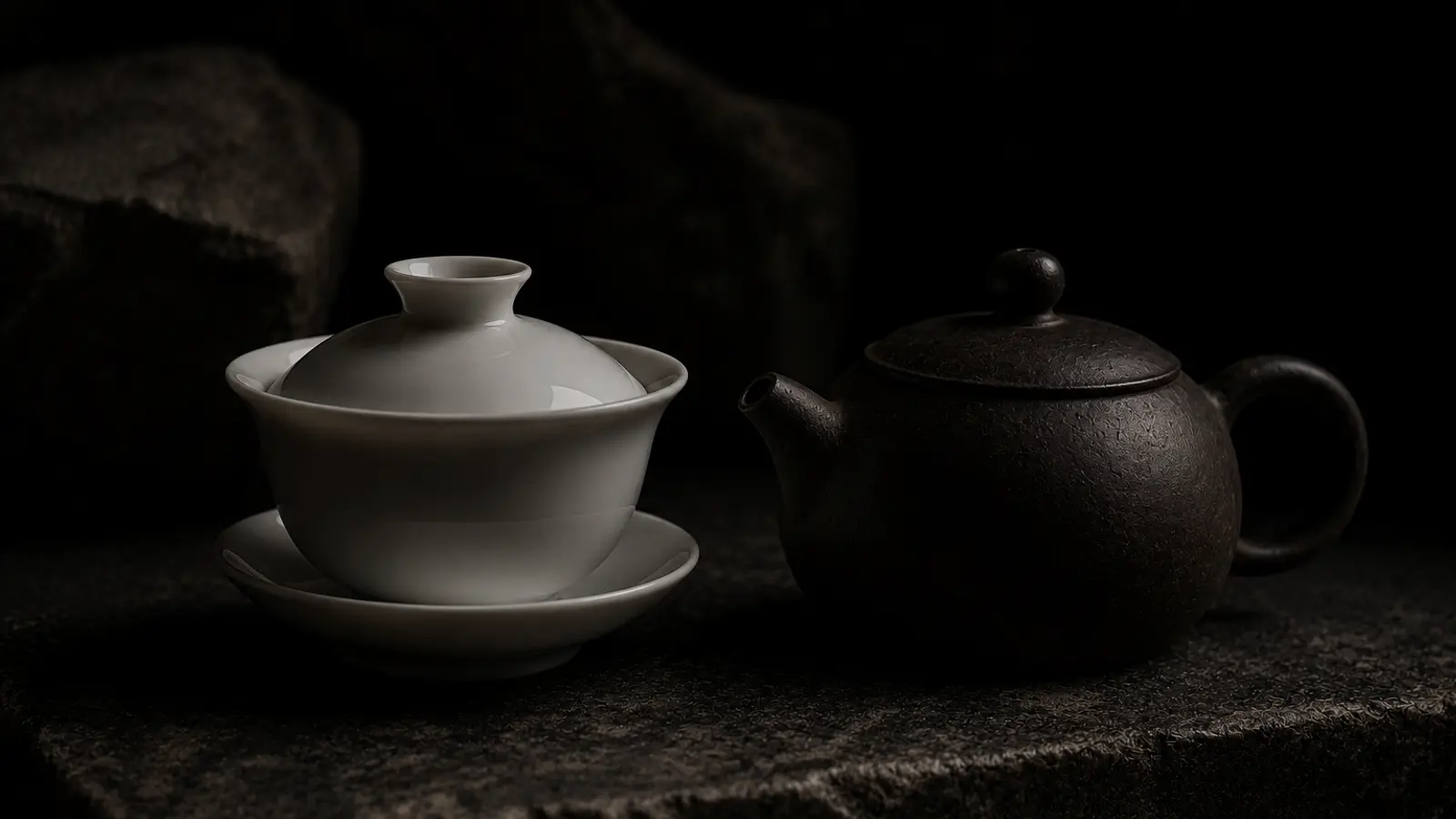
Gaiwan vs Yixing: Choosing Your Brewing Vessel
Gaiwan vs Yixing teapot: a practical head-to-head comparison covering flavor, cost, versatility, and when each vessel wins. Start here before you buy.
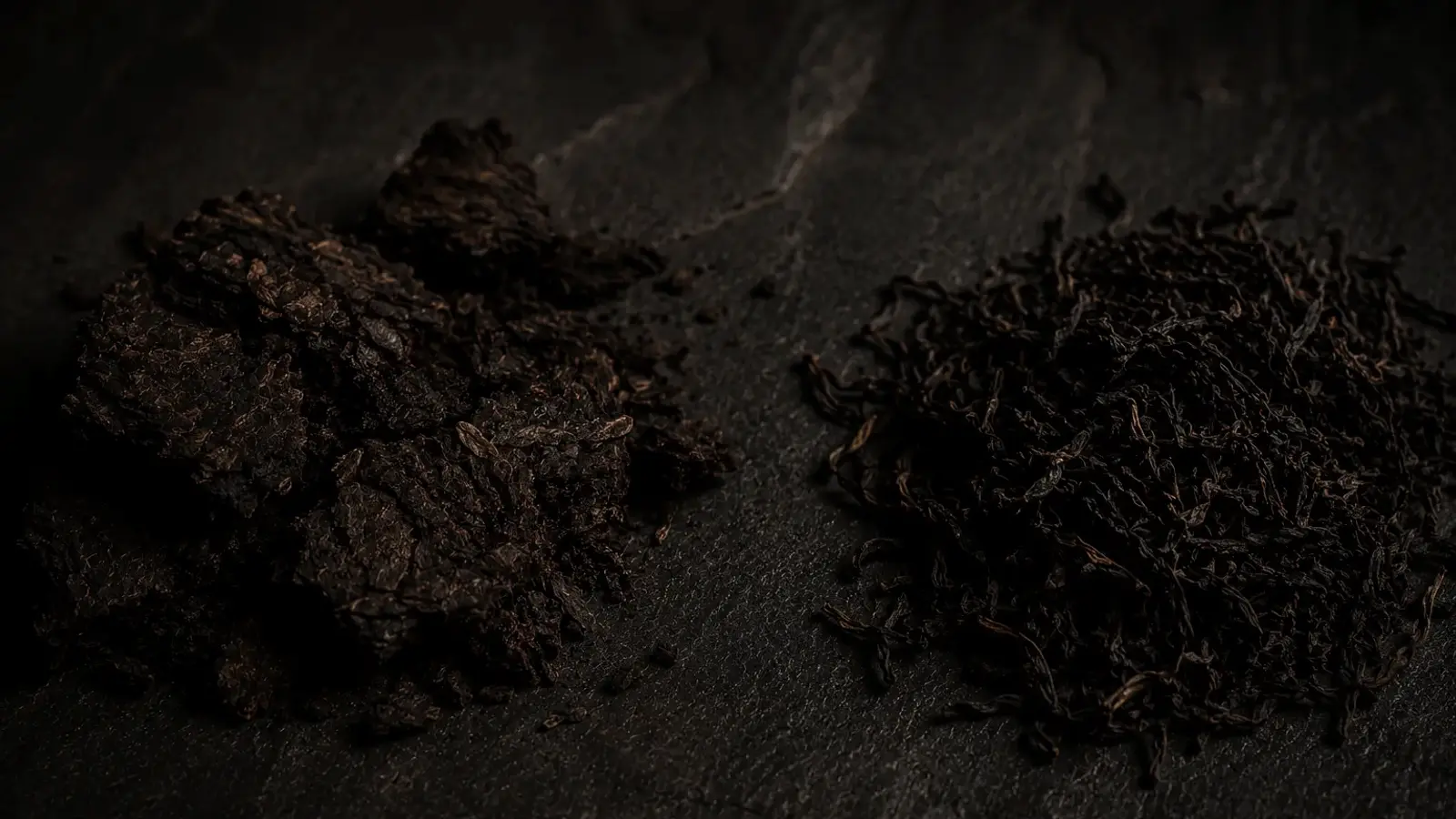
Pu-erh vs Black Tea: What Is Actually Different
Pu-erh and black tea look similar but are fundamentally different. Learn the processing, flavor, aging, and brewing differences in this complete guide.
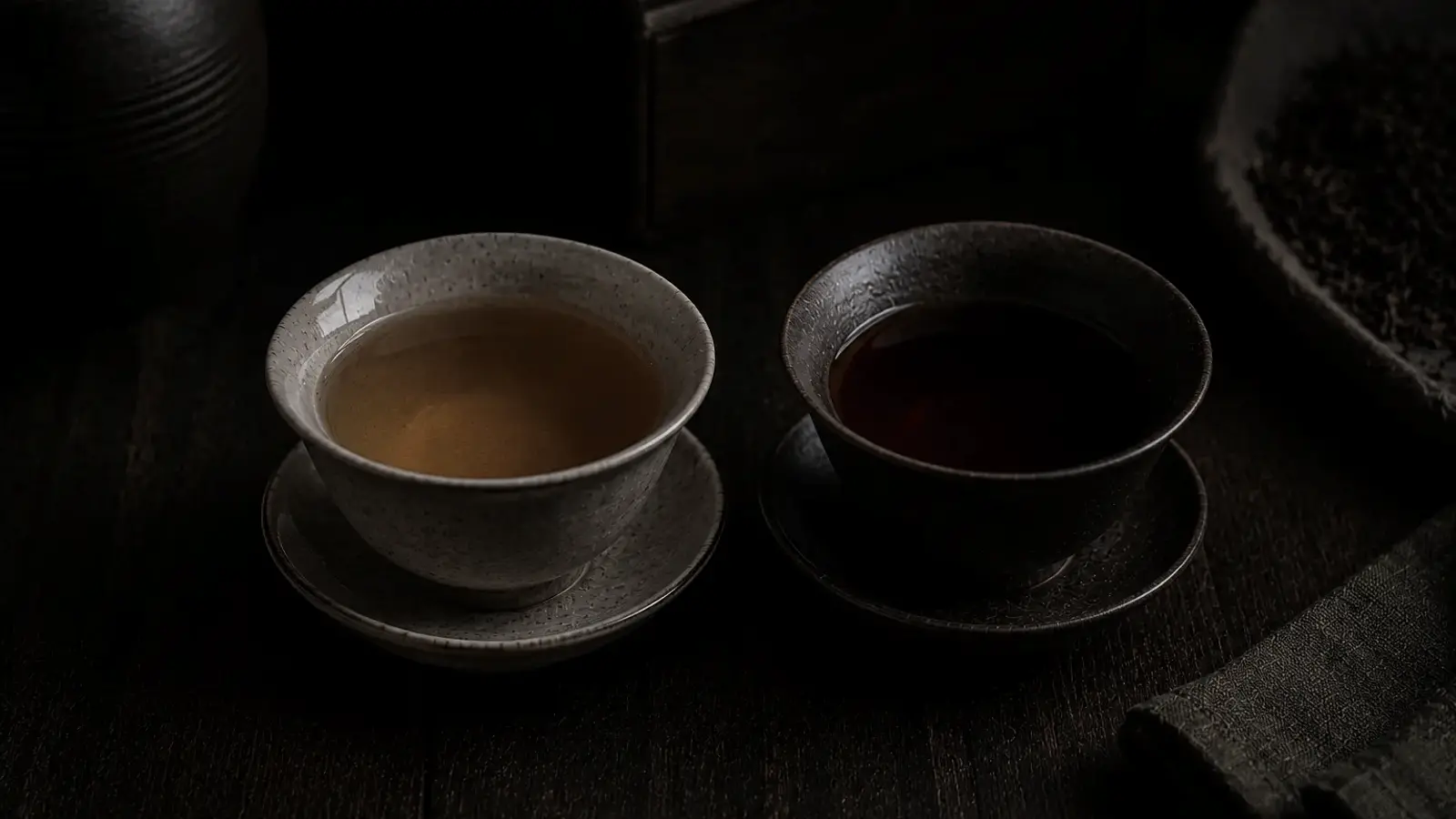
Thai Pu-erh vs Yunnan Pu-erh: A Terroir Comparison
A firsthand terroir comparison of Thai pu-erh and Yunnan pu-erh—flavor profiles, mountain origins, processing, and which to try first.
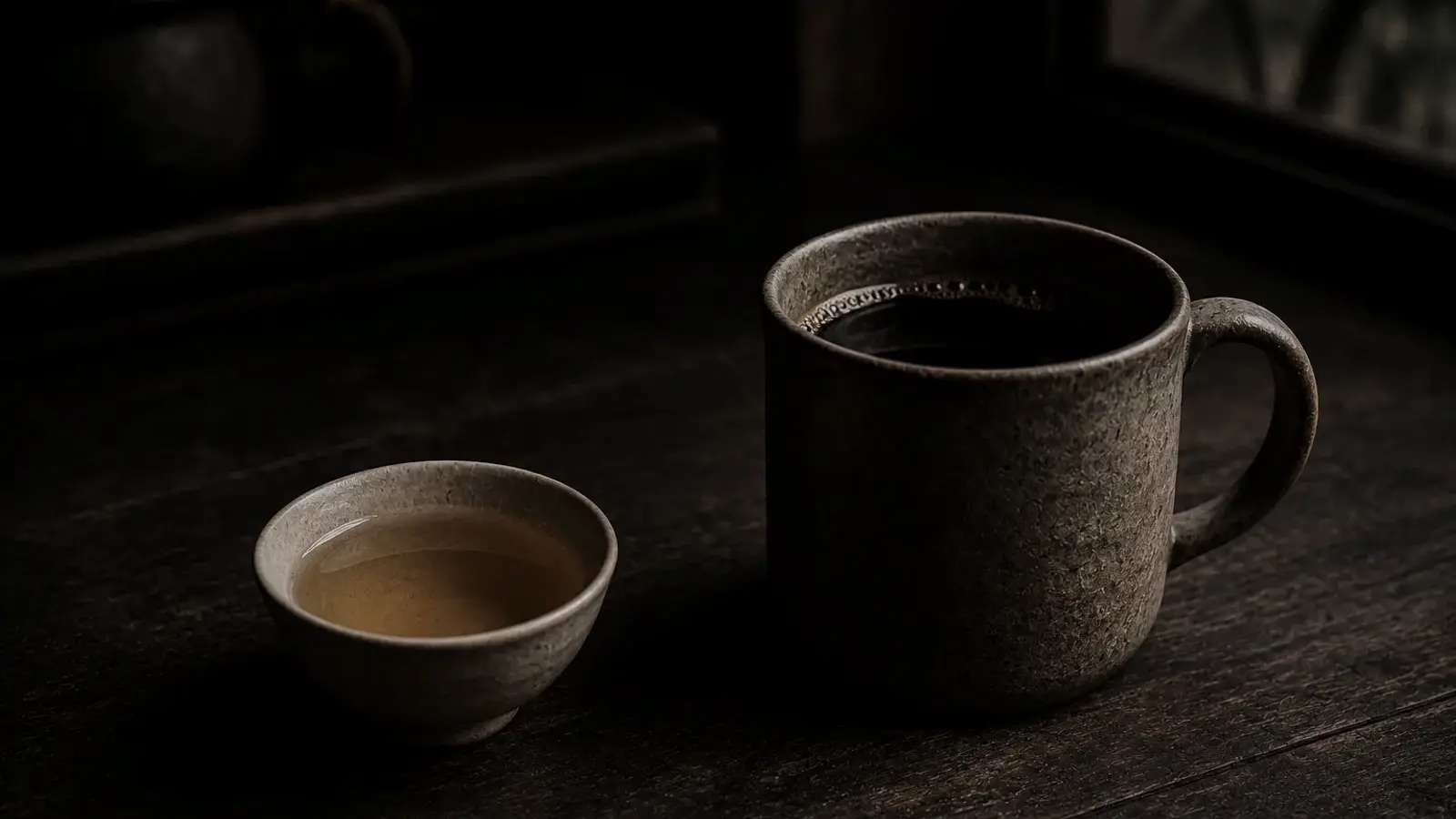
Tea vs Coffee: A Complete Comparison for the Curious
Tea vs coffee compared as craft beverages, not just health inputs. Caffeine mechanics, flavor complexity, cost per session, ritual depth, and how to swi...