Storage — Aging, Humidity, and Long-Term Tea Care
Pu-erh and hei cha storage guides with real humidity data, tropical climate documentation, and long-term aging conditions.
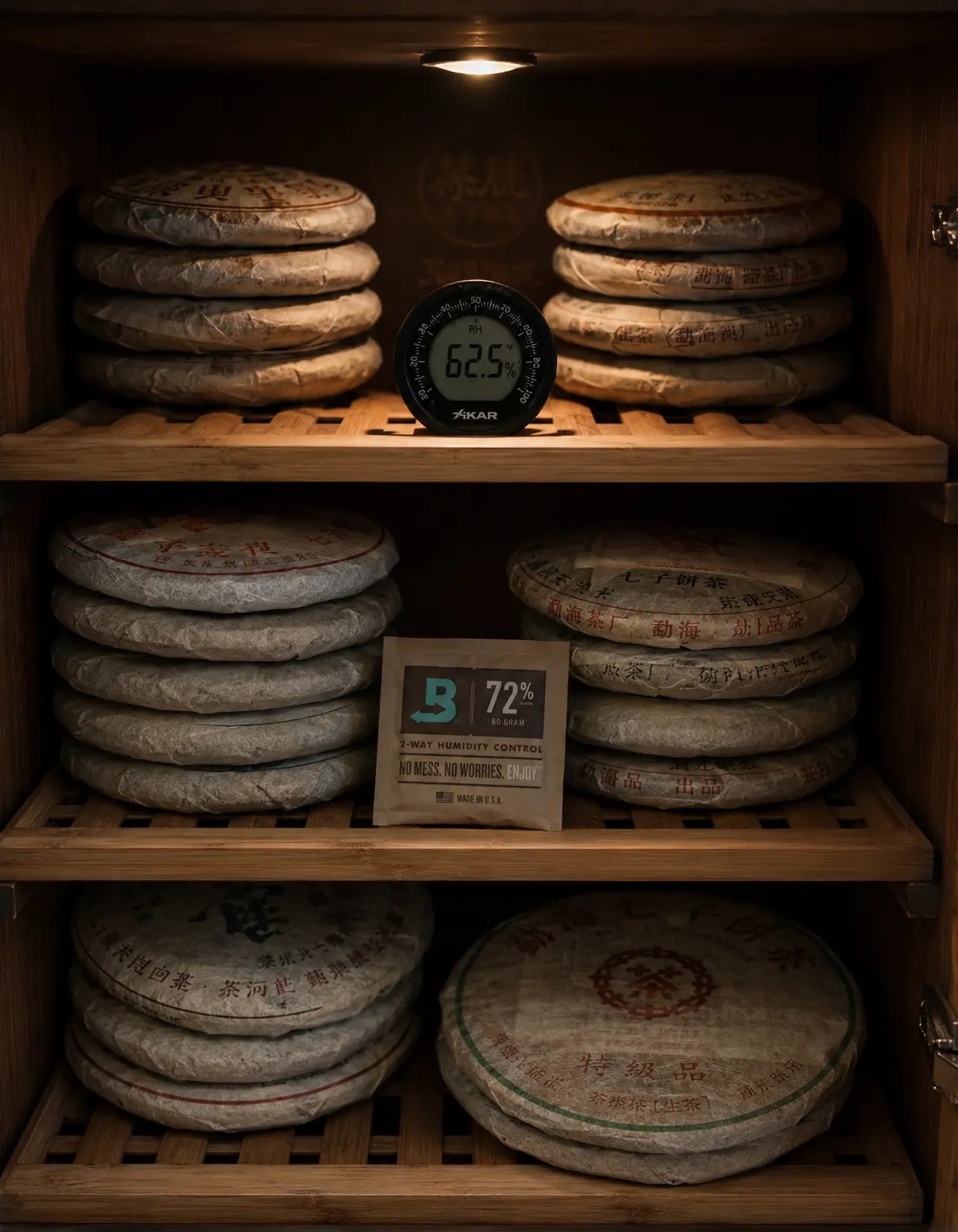
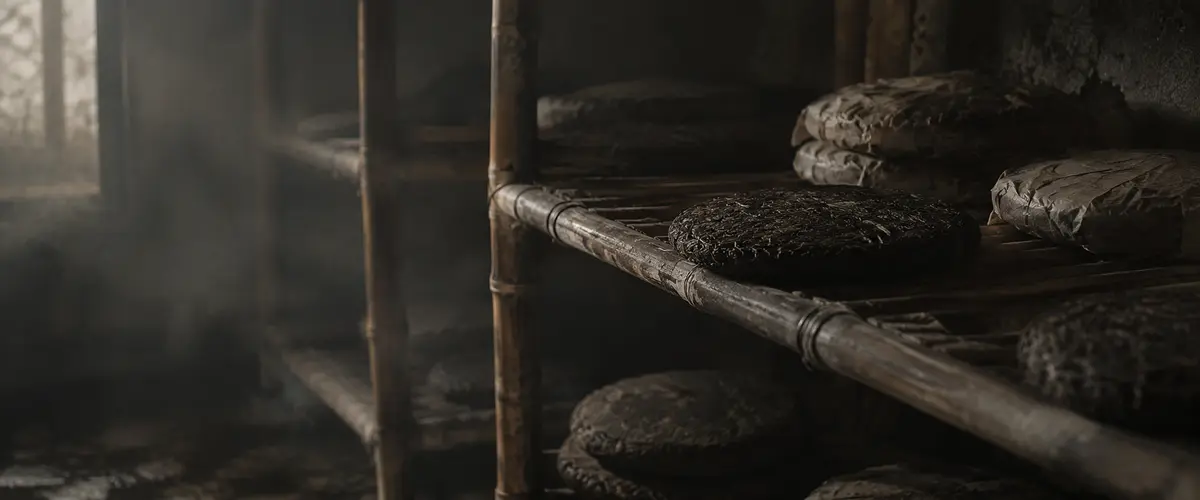
Tea storage determines what your tea becomes over time. For pu-erh and hei cha, storage is not passive — it is an active variable that shapes flavor development across years and decades, comparable to cellar management in wine.
Steep Atlas storage coverage documents real conditions with real data. Humidity levels measured with instruments, not estimated. Temperature ranges tracked across seasons. The difference between wet storage and dry storage explained through specific outcomes in the cup, not theoretical descriptions.
Tropical storage receives dedicated coverage because Steep Atlas operates from Southeast Asia, where ambient humidity runs 70–85% year-round. Aging pu-erh in tropical Thailand produces fundamentally different results than aging in Kunming or a climate-controlled room in Denver. That difference is documented with comparative tasting data.
Storage guides cover pumidor construction, humidity control methods, cake versus loose leaf storage, cross-contamination prevention, and the long-term economics of aging versus buying aged tea.
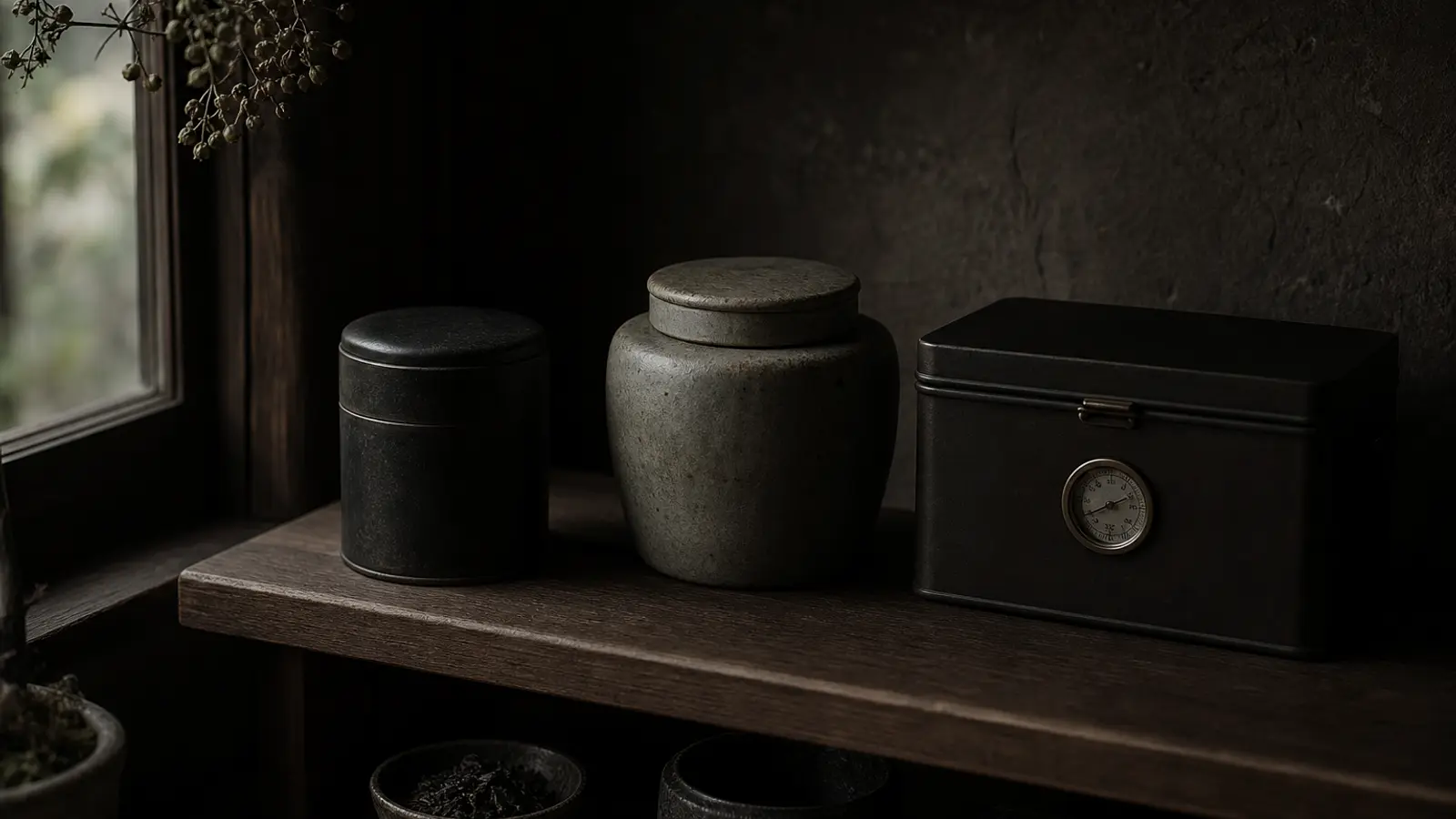
How to Store Tea: A Practical Guide for Every Type
Learn how to store tea correctly by type — green, oolong, pu-erh, and more. Practical setups, common enemies, and what actually expires.
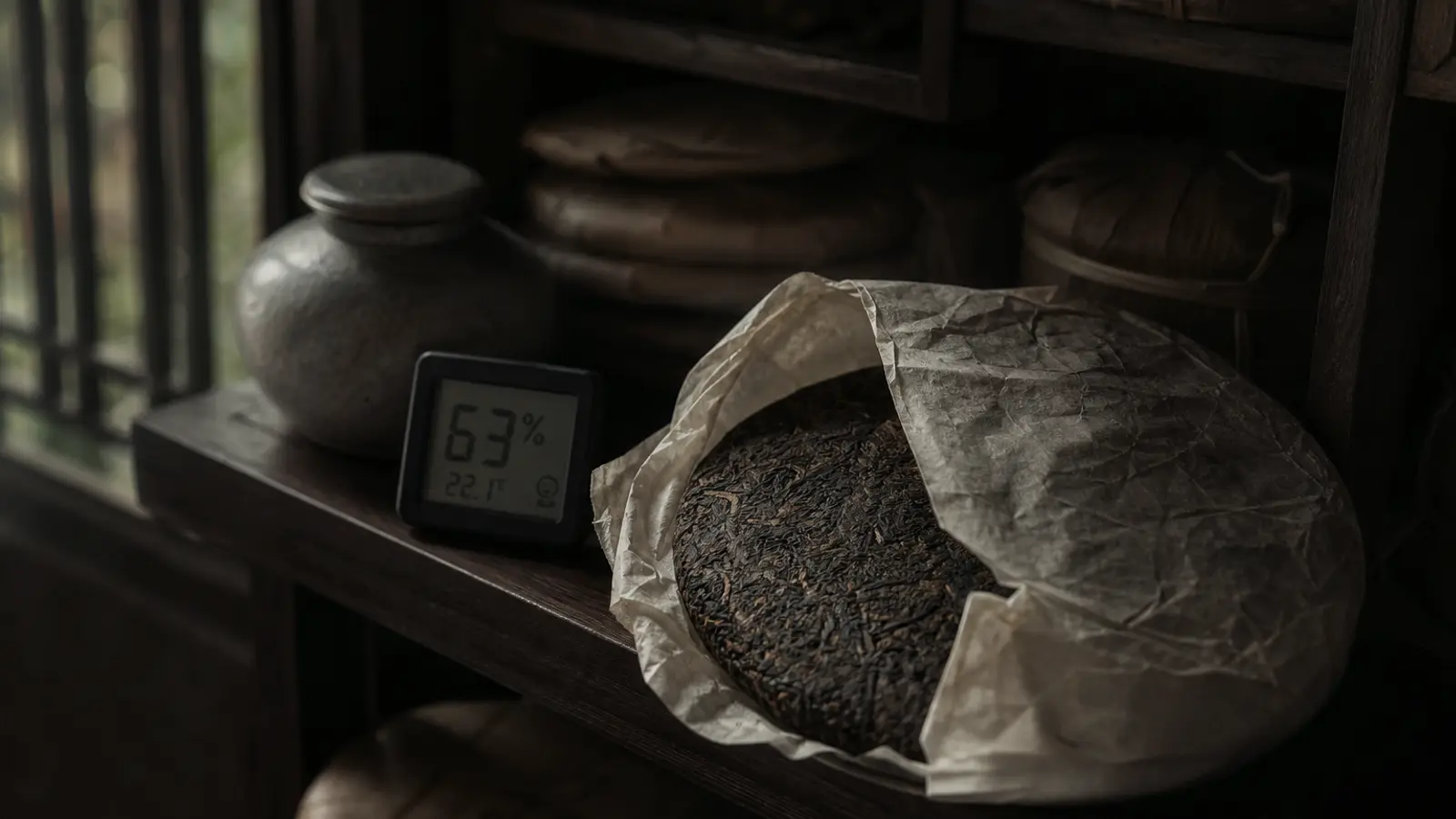
Pu-erh Storage Humidity: What the Numbers Mean and Why They Matter
A data-driven guide to pu-erh storage humidity levels from 50% to 85% RH — what each range produces, how to monitor conditions, and how to prevent mold.
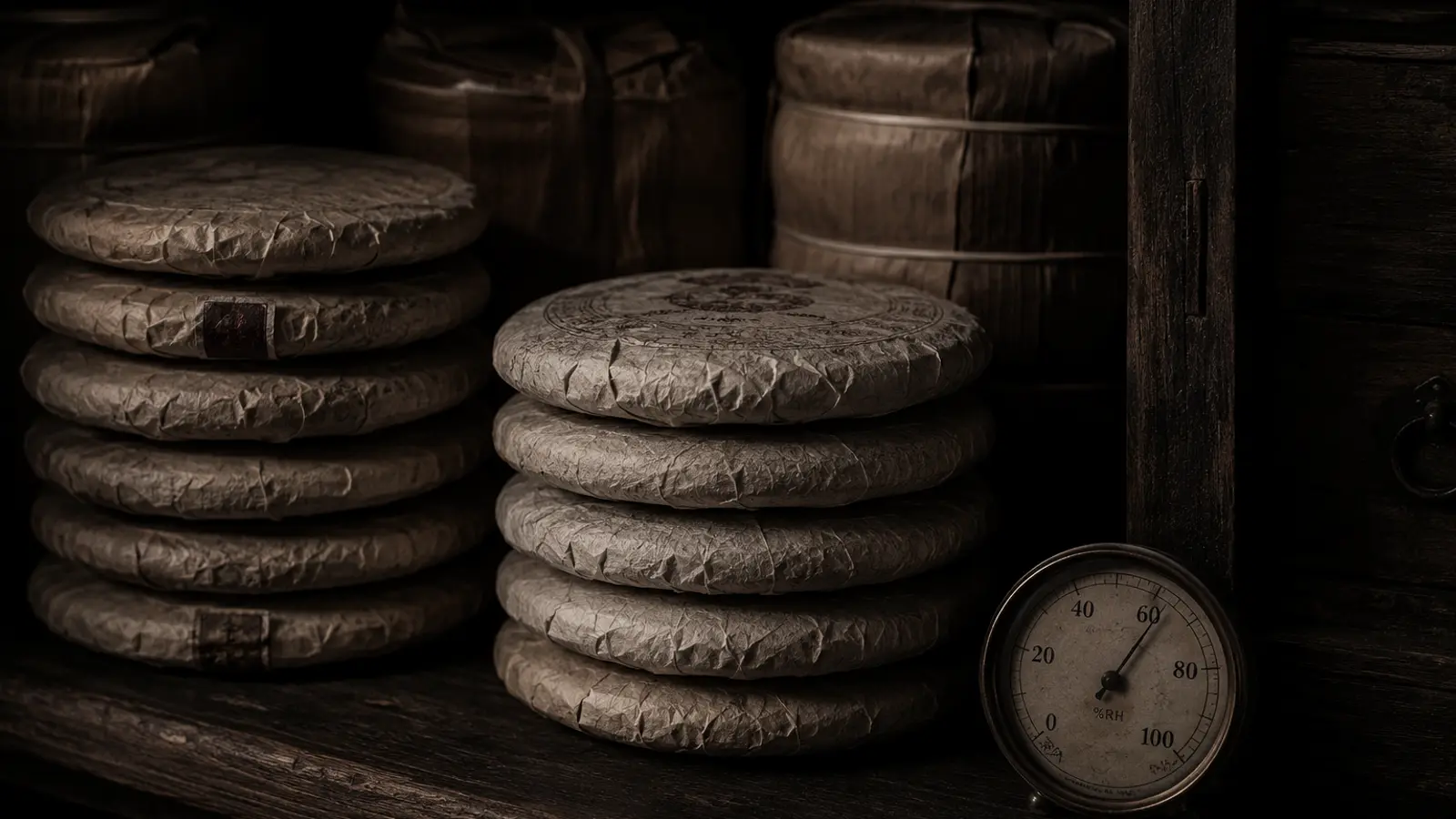
How to Store Pu-erh Tea in Tropical Climates
How to store pu-erh tea in tropical climates like Thailand. Real conditions, pumidor construction, humidity control, and aging rates explained.