Culture — History, Ceremony, and the Human Side of Tea
Regional tea traditions, processing history, and essays on gongfu cha, Korean tea culture, and the people behind serious tea.
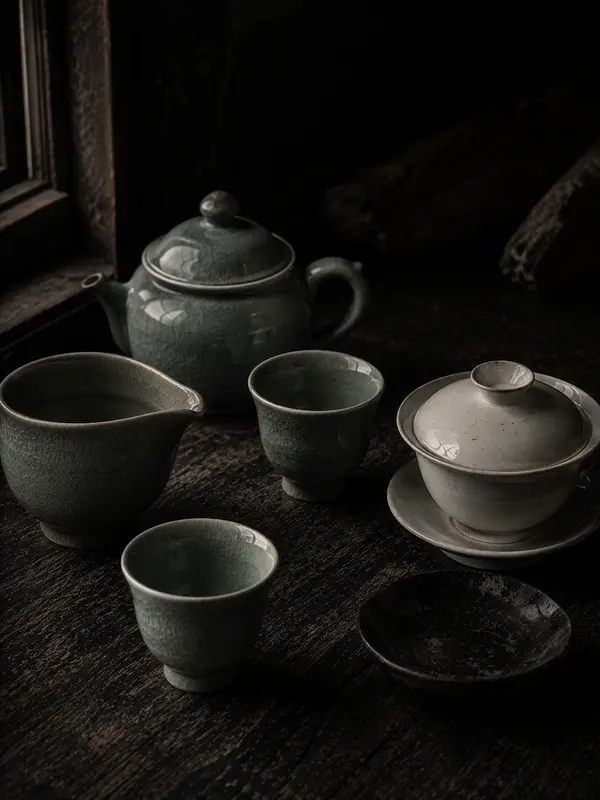
Culture content on Steep Atlas covers the context behind the cup — regional tea traditions, processing history, the wine-to-tea conceptual bridge, and occasional essays on why any of this matters beyond the liquid.
Regional coverage spans the tea cultures that inform the site's perspective: Chinese gongfu cha (功夫茶) tradition and its regional variations, Korean darye (다례) ceremony and the serious Korean pu-erh market, Taiwanese high mountain oolong culture, and Thai highland tea origins from Chiang Rai and Chiang Mai.
Historical content traces processing developments — how wo dui fermentation was invented at Kunming Tea Factory, why Yixing clay became the standard for teapot production, how Liu Bao hei cha's traditional storage methods differ from pu-erh aging. These are not decorative histories but functional context that helps evaluate what you are drinking.
Occasional personal essays explore the human relationship with tea — written with the honesty that makes technical content resonate. These pieces are clearly essays, not guides. They do not target keywords. They exist because the writing has value.
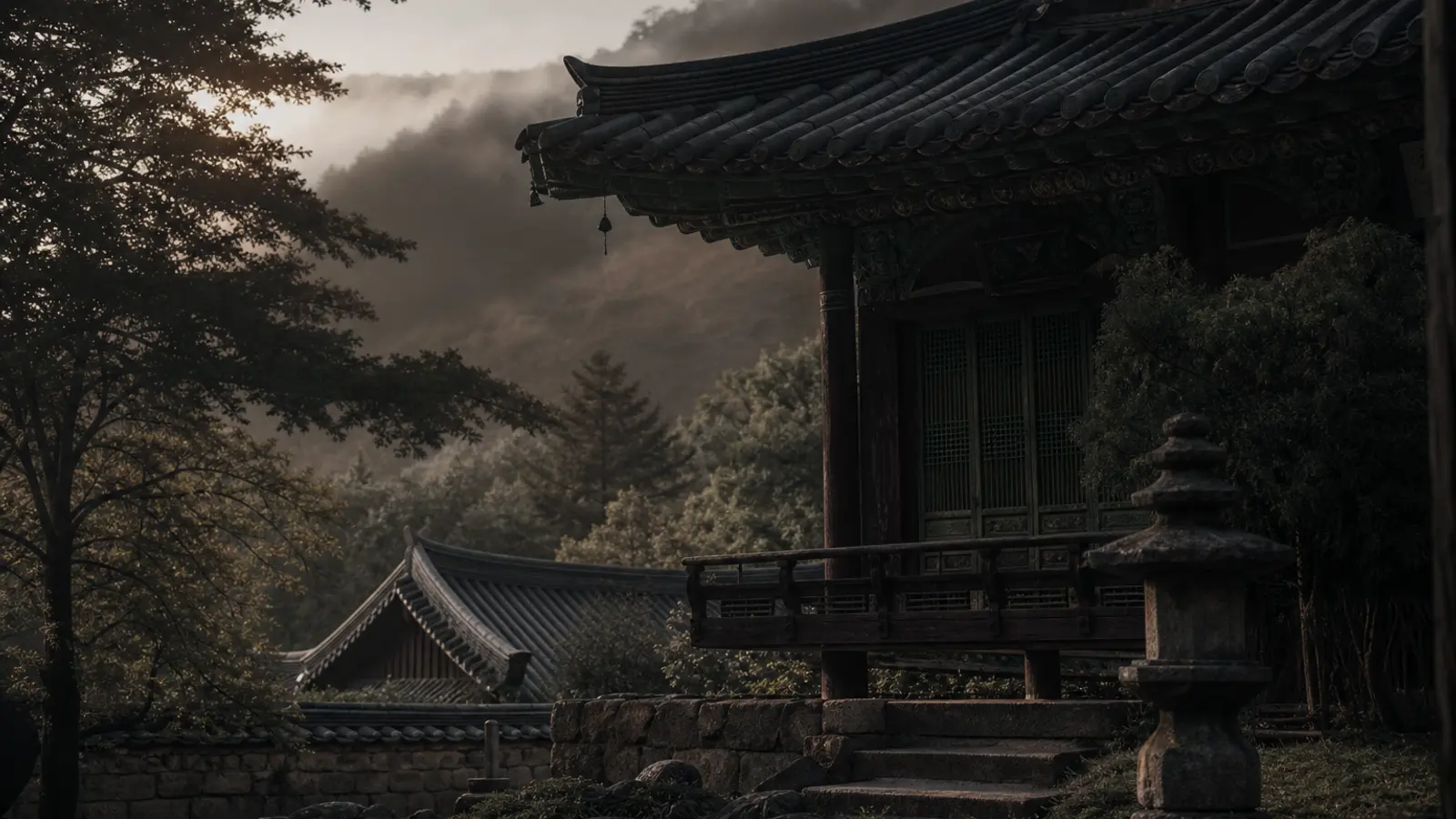
Choui Uisun: The Father of Korean Tea
Choui Uisun (초의의순, 1786–1866) preserved Korean tea culture through two essential texts. His life, writings, and lasting legacy explained.
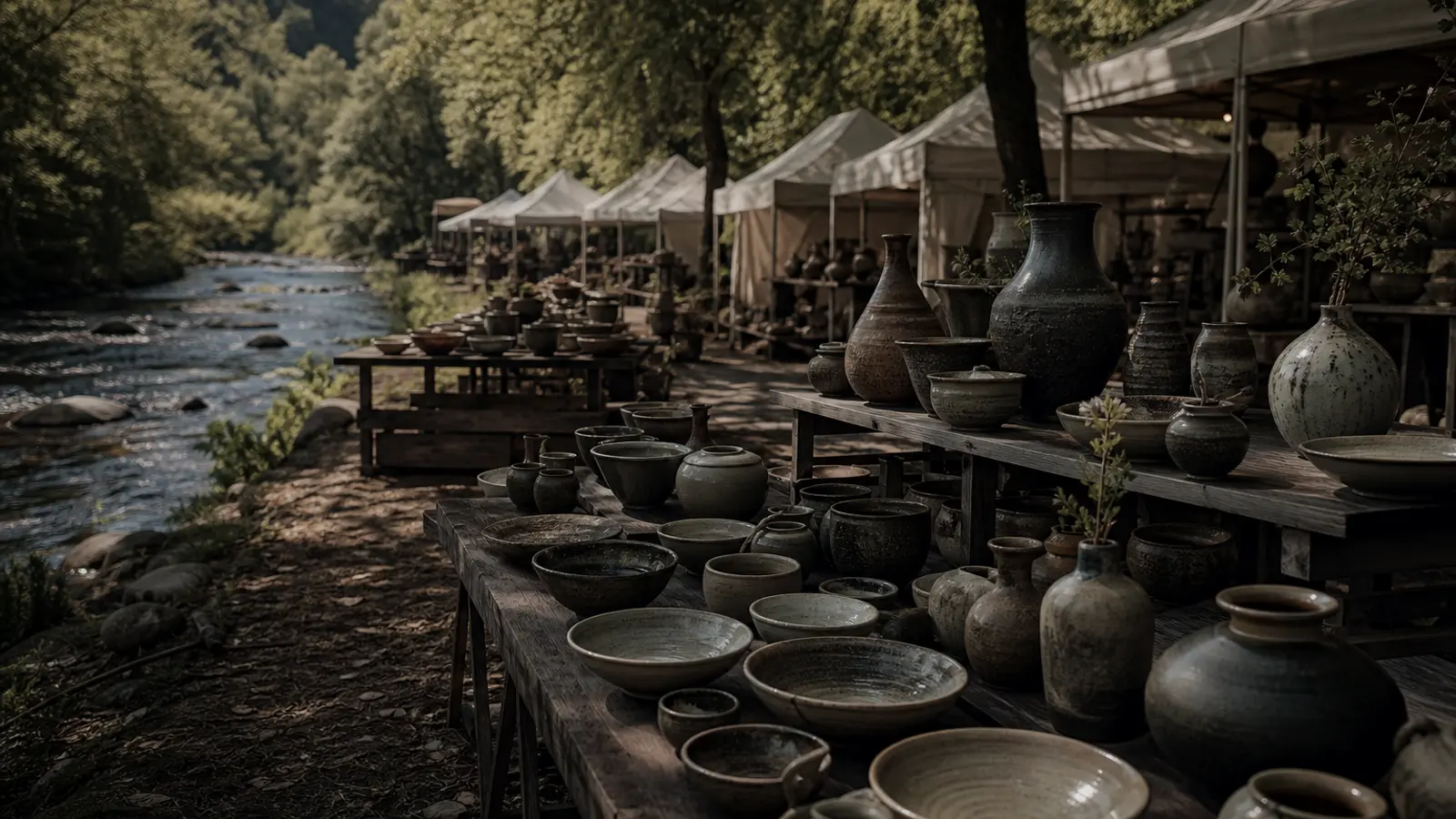
Korean Pottery Festivals: When and Where to Visit
Three major Korean pottery festivals mapped with practical visiting info: Icheon, Gangjin, and Mungyeong. Dates, access from Seoul, and buying tips.
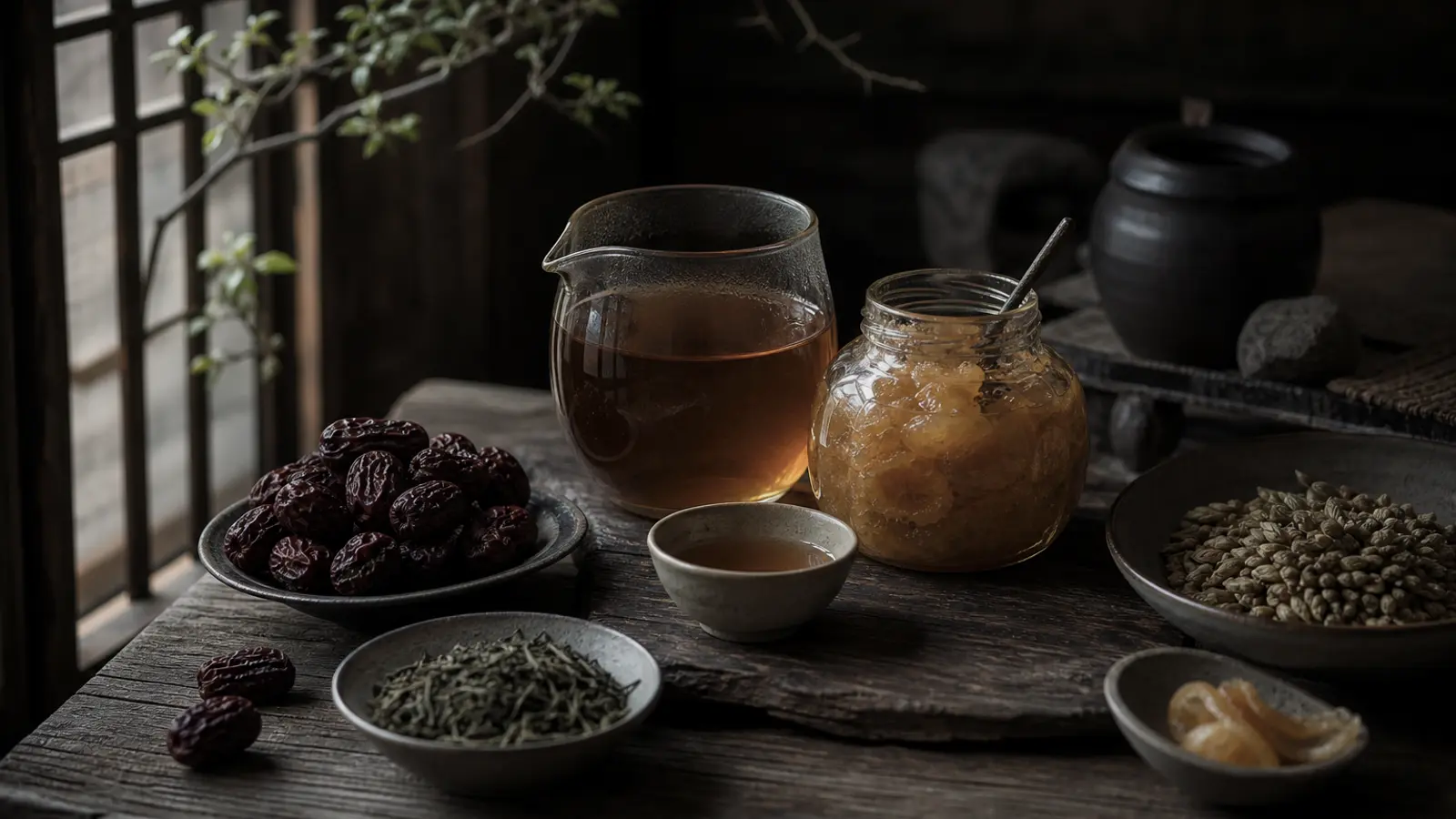
Korean Tea Beyond Nokcha: The Traditional Drinks That Shaped a Culture
Korean traditional tea extends far beyond green tea. Explore boricha, yujacha, ssanghwacha, and the grain and herbal drinks that define daily Korean life.
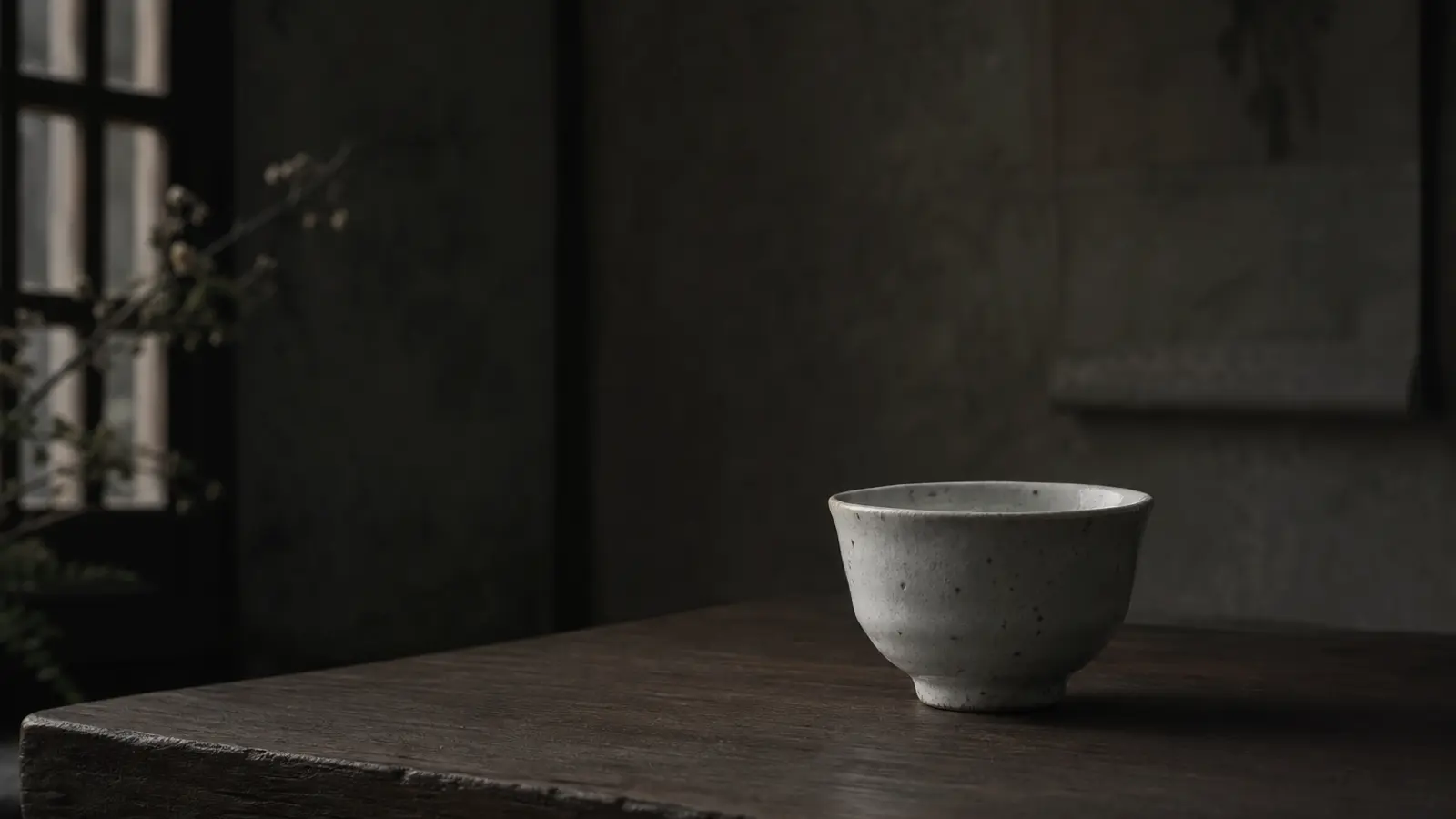
Sobakham: The Korean Aesthetic That Shapes Teaware
Sobakham (소박함) is the Korean aesthetic of understated simplicity. Learn how this principle of restraint and honest materials shapes Korean teaware and t...
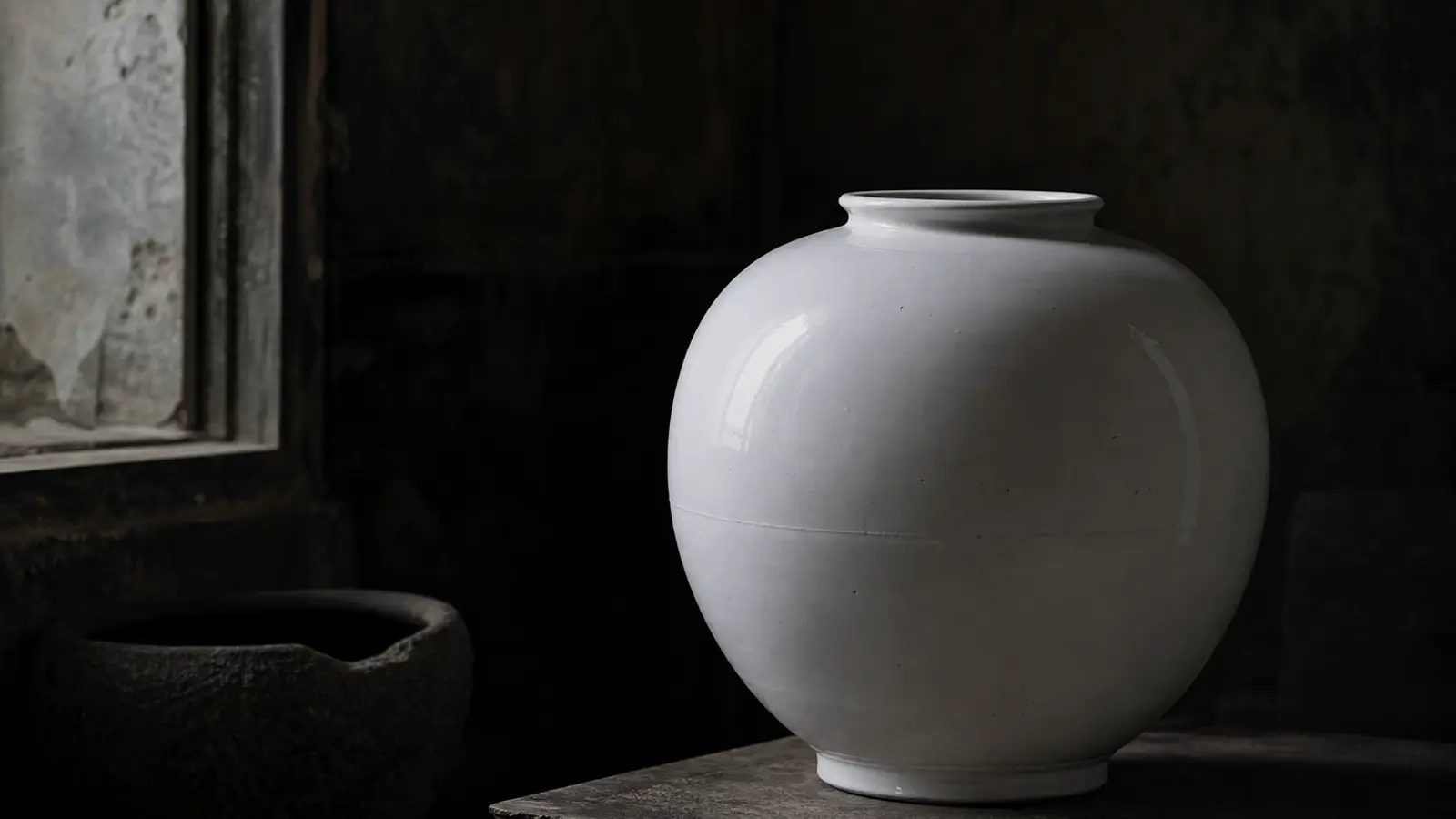
The $4.5 Million Moon Jar: Korea's Most Iconic Ceramic Form
The Korean moon jar (달항아리) sells for millions at auction. Discover why this deliberately imperfect white porcelain form is Korea's most iconic ceramic.
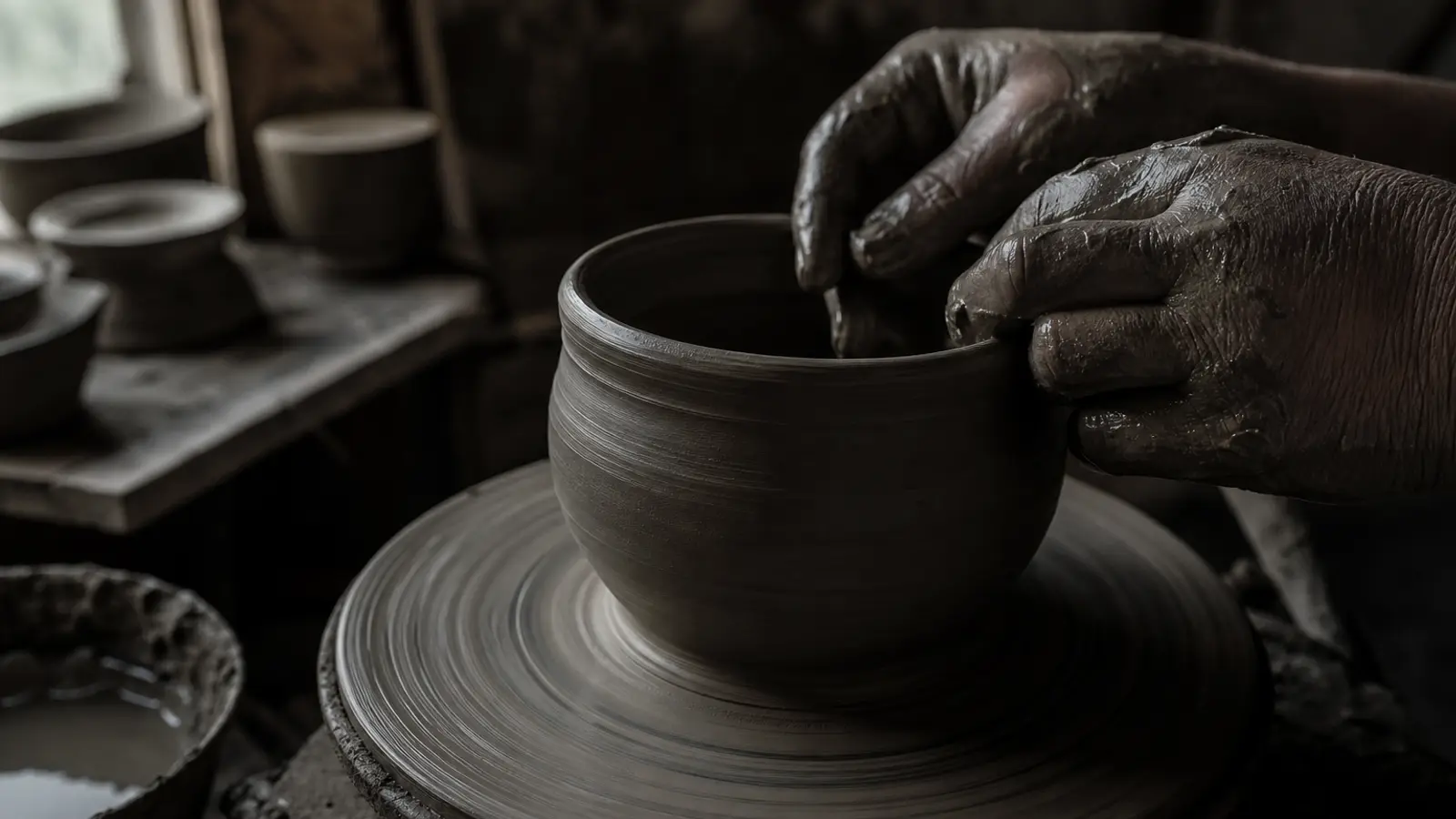
Korean Master Potters Making Teaware Today
Profiles of living Korean master potters making teaware today — designated masters, senior studio artists, and contemporary ceramists with prices and so...
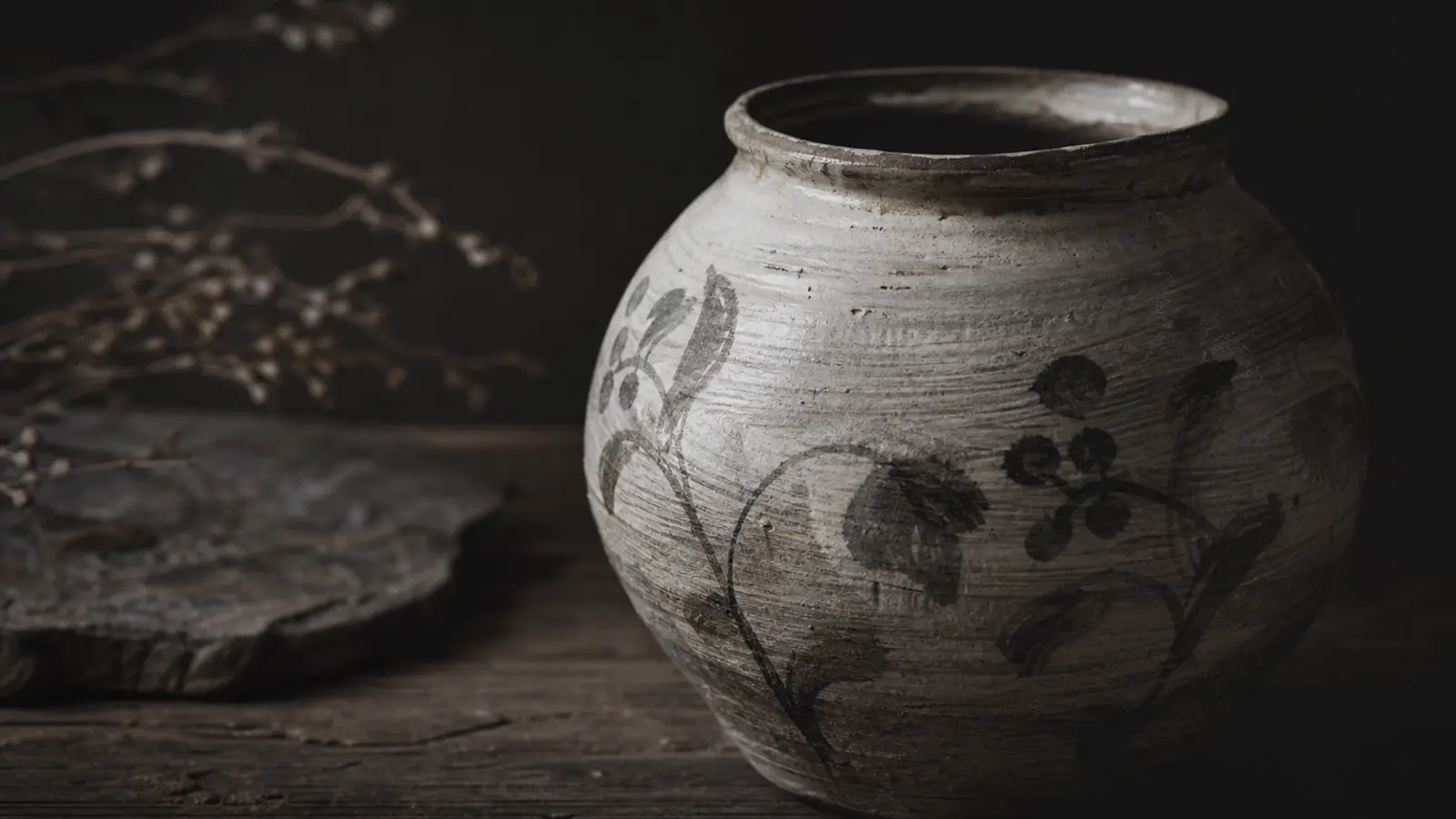
Buncheong: The Korean Pottery That Changed Japanese Tea Forever
Buncheong pottery (분청사기) shaped Japanese tea ceremony aesthetics for centuries. Learn its history, techniques, and why it matters for tea today.
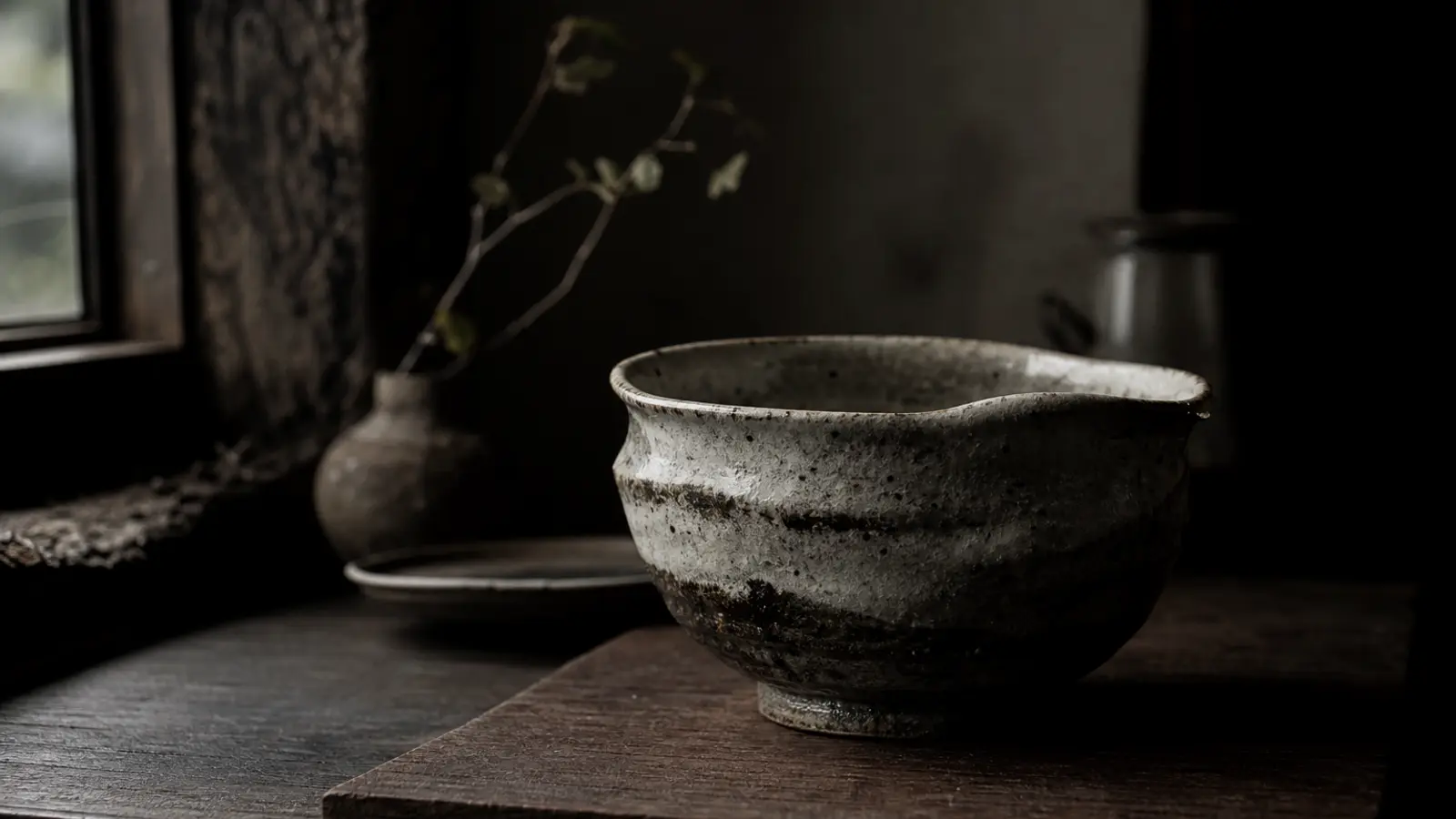
The Greatest Tea Bowl Was Made by a Korean Peasant
The Kizaemon Ido, considered the world's finest tea bowl, was made by an anonymous Korean peasant. The story of how everyday pottery became sacred art.
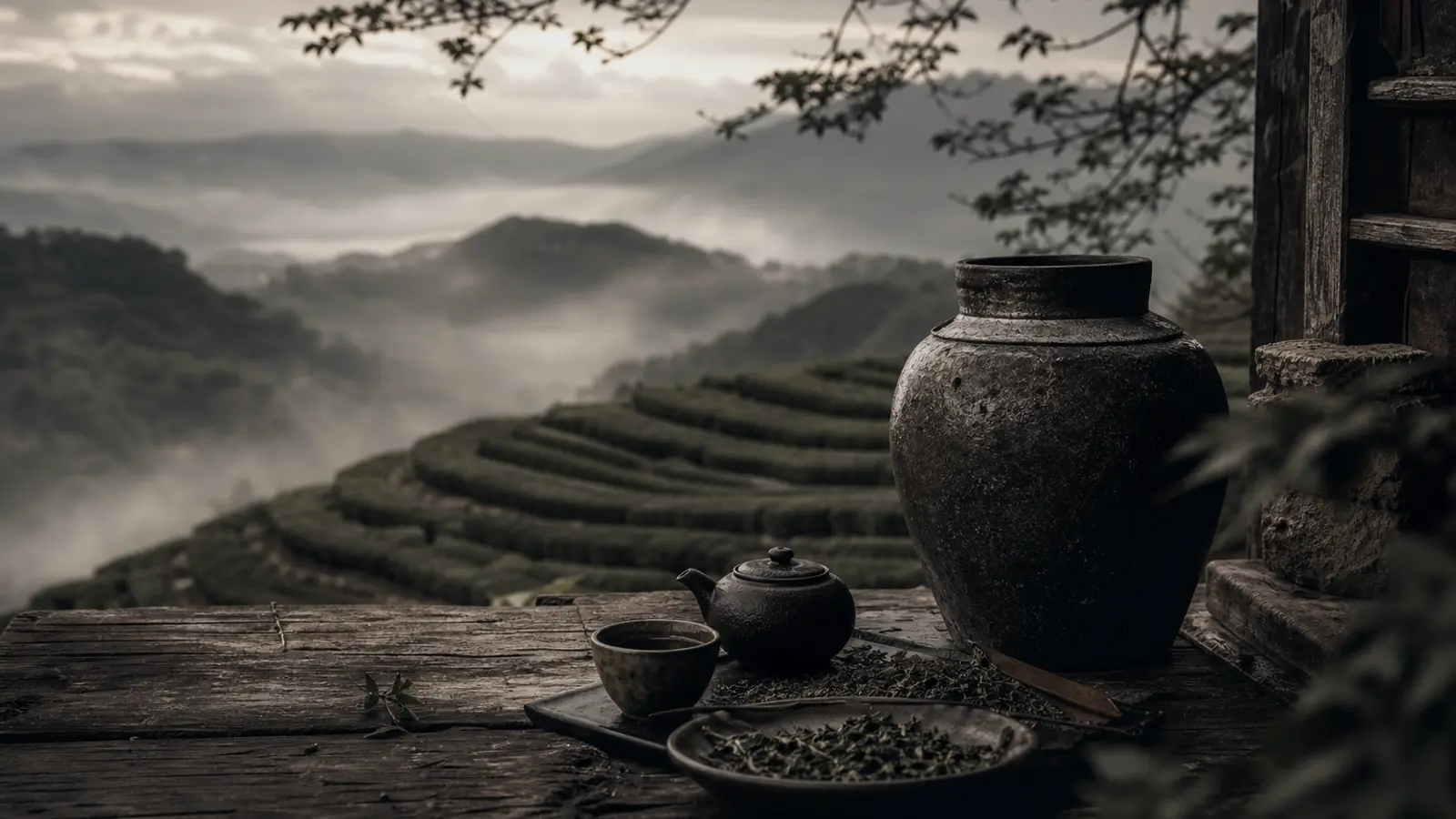
The History of Korean Tea: 1200 Years of Resilience
Korean tea history spans 1200 years—from 9th-century Silla through Goryeo's golden age, near-erasure under colonialism, and today's remarkable revival.
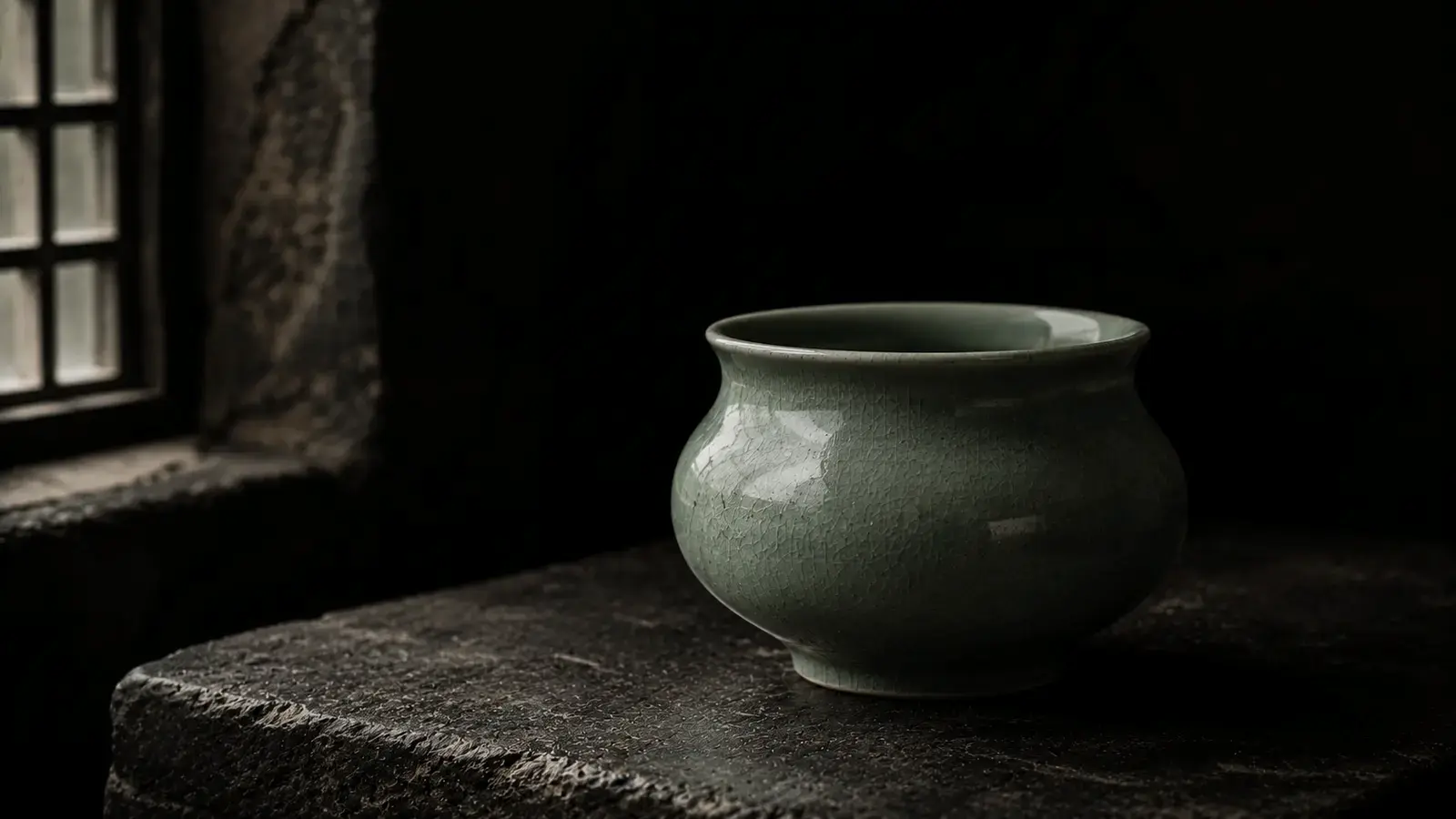
Why Goryeo Celadon Was Named After Jade
Goryeo celadon earned its name from a jade-green glaze so perfect that Song Dynasty China called it superior. Learn the history, bisaek color, and sangg...
From Wine to Tea: A Framework for Palate Transfer
A wine collector who stopped drinking rebuilt the entire ritual in tea. Terroir, tasting, collecting — what transfers, what doesn't, and where to start.
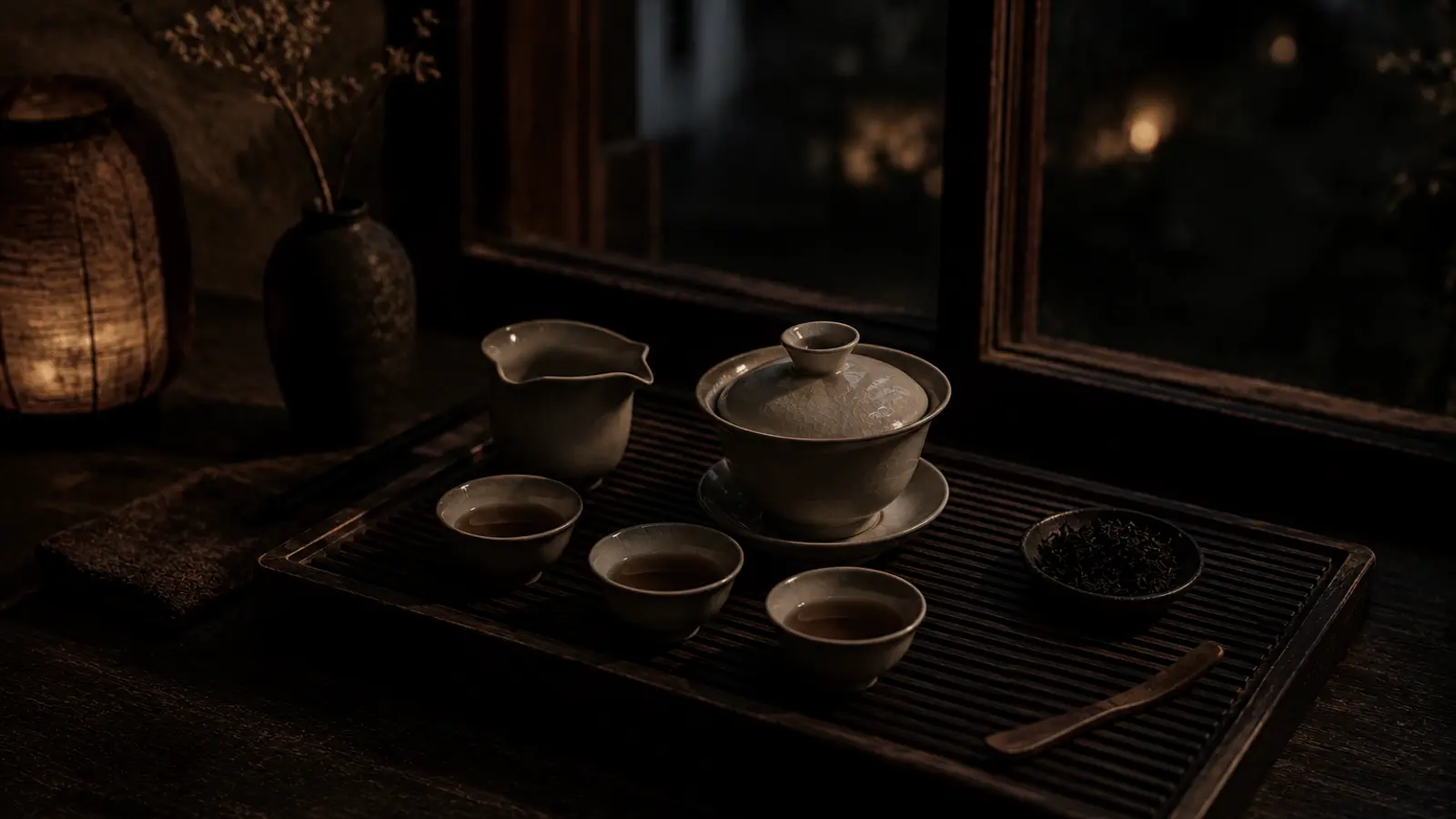
Tea Instead of Wine: Building an Evening Ritual That Actually Works
A wine collector's guide to replacing the evening wine ritual with gongfu tea—same intellectual depth, no damage. Specific teas, methods, and honest rea...
What Is Qi in Tea? A Skeptic's Honest Look
Tea qi explained without mysticism: what cha qi actually feels like, experiences with aged sheng and shou, and an honest look at what's real vs. placebo.